
What Courses Are Required For Psychology Major
What Courses Are Required For Psychology Major - Minimum grade requirement for major courses listed below. In this article, we will delve into the essential courses, credits, and curriculum requirements for a bachelor’s in psychology. As a psychology major, you will take a wide range of courses that will help you develop foundational knowledge, properly conduct psychological experiments, and collect and interpret data. Choose a course from the list of courses meeting b.s. Psychology majors are required to take a total of 13 credits. What classes are required for a psychology major? But you’ll find that each school, concentration, and even type (bachelor of science versus bachelor of arts) of psychology degree has its own unique requirements. In total, students take two scientific literacy courses beyond the general education requirement , one to fulfill the b.s. Degree must complete 60 credits in courses in the college of natural sciences or with r2,bs or ps general education designations. Degree scientific literacy requirements and one to fulfill the psychology b.s. Social psychology (psy 220), cognitive psychology (psy 230), neuroscience (psy 231), child development (psy 224), or abnormal psychology (psy 210, psy 211, or psy 216). Psychology concentrators have a lot of flexibility in selecting both their concentration track and their concentration courses. In this article, we will explore the required courses for a psychology major, including the foundational courses such as introduction to psychology, research methods in psychology, and statistics for psychology. Students must complete the general education requirements as well as a total of 120 credits. To graduate, a minimum gpa of 2.0 in the major is required. As a student pursuing a degree in psychology, you’re likely wondering what classes you’ll need to take to achieve your academic goals. What classes are required for a psychology major? Students must complete 11 courses in psychology or an approved cognate discipline. Every student of psychology starts with an introductory psych course. In this article, we will explore the different types of psychology degrees, including bachelor’s, master’s, and doctoral degrees. But you’ll find that each school, concentration, and even type (bachelor of science versus bachelor of arts) of psychology degree has its own unique requirements. These courses foster critical thinking, communication skills, and a broader understanding of the world, complementing the psychology curriculum. Psychology majors typically complete courses in humanities, social sciences, natural sciences, and mathematics. To graduate, a minimum. The answer can vary depending on the institution, program, and level of study (bachelor’s, master’s, or doctoral). Degree must complete 60 credits in courses in the college of natural sciences or with r2,bs or ps general education designations. Choose a course from the list of courses meeting b.s. But you’ll find that each school, concentration, and even type (bachelor of. To become a successful psychology major, students must take a range of courses that provide a solid foundation in the principles of psychology, research methods, and individual and group behavior. The answer can vary depending on the institution, program, and level of study (bachelor’s, master’s, or doctoral). Minimum number of credits (exclusive of the university’s core curriculum) required for the. As a psychology major, you will take a wide range of courses that will help you develop foundational knowledge, properly conduct psychological experiments, and collect and interpret data. Complete psychology electives (12 credits, of which 8 must be upper division). To graduate, a minimum gpa of 2.0 in the major is required. What classes are required for a psychology major?. Please view the requirements chart for a visual display of all track requirements, and check out the courses tab to learn more. To become a successful psychology major, students must take a range of courses that provide a solid foundation in the principles of psychology, research methods, and individual and group behavior. This may count toward a second major and/or. To become a successful psychology major, students must take a range of courses that provide a solid foundation in the principles of psychology, research methods, and individual and group behavior. This may count toward a second major and/or minor requirements. Complete psychology electives (12 credits, of which 8 must be upper division). As a student pursuing a degree in psychology,. In addition to meeting departmental requirements for a major leading to a baccalaureate degree, students also must complete the university’s core curriculum requirements. Every student of psychology starts with an introductory psych course. In this article, we’ll explore the various classes typically required for a psychology major, highlighting the core and elective courses that can help students achieve their academic. This may count toward a second major and/or minor requirements. Social psychology (psy 220), cognitive psychology (psy 230), neuroscience (psy 231), child development (psy 224), or abnormal psychology (psy 210, psy 211, or psy 216). Master’s degree in clinical psychology: Psychology concentrators have a lot of flexibility in selecting both their concentration track and their concentration courses. In this article,. To graduate with honors in psychology, known as distinguished independent work in psychology, the student must attain a 3.5 gpa for all courses attempted that count toward satisfaction of the psychology major requirements and for all psychology courses taken, as well as a 3.0 gpa for all courses necessary for graduation. Psychology majors are required to take a total of. In this article, we will explore the required courses for a psychology major, including the foundational courses such as introduction to psychology, research methods in psychology, and statistics for psychology. To graduate, a minimum gpa of 2.0 in the major is required. Students must complete at least two of the following “core” courses: Complete psychology electives (12 credits, of which. The answer can vary depending on the institution, program, and level of study (bachelor’s, master’s, or doctoral). The classes we list here are some of the most common that are required for psychology majors. In this article, we will explore the different types of psychology degrees, including bachelor’s, master’s, and doctoral degrees. To become a successful psychology major, students must take a range of courses that provide a solid foundation in the principles of psychology, research methods, and individual and group behavior. In addition to meeting departmental requirements for a major leading to a baccalaureate degree, students also must complete the university’s core curriculum requirements. In this article, we will explore the courses required for a psychology major and what students can expect to learn from them. Complete psychology electives (12 credits, of which 8 must be upper division). In total, students take two scientific literacy courses beyond the general education requirement , one to fulfill the b.s. The psychology department will not accept for credit toward the psychology major any core required psychology course (listed above in 3a & b) that is older than 20 years at the time of the student’s graduation from sou. Students are encouraged to select courses in consultation with an advisor. Psychology concentrators have a lot of flexibility in selecting both their concentration track and their concentration courses. In this article, we discuss what psychology degree classes are and provide a list of 19 classes needed for a psychology degree. In this article, we’ll explore the various classes typically required for a psychology major, highlighting the core and elective courses that can help students achieve their academic and professional goals. Students must complete the general education requirements as well as a total of 120 credits. This may count toward a second major and/or minor requirements. Degree must complete 60 credits in courses in the college of natural sciences or with r2,bs or ps general education designations.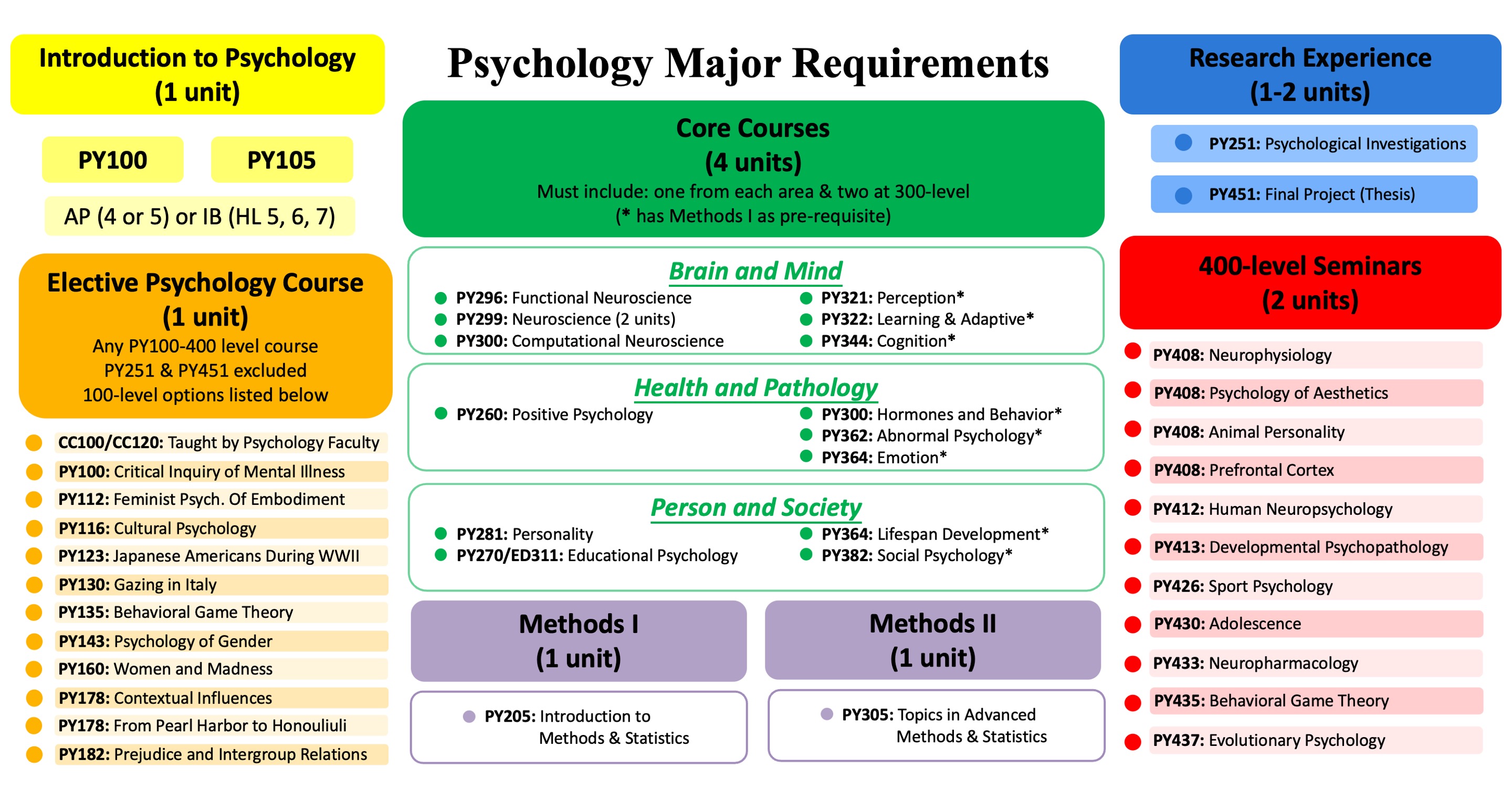
Courses Colorado College
![Degree vs. Major What’s the Difference between a Major and Degree? [2025]](https://www.mydegreeguide.com/wp-content/uploads/2019/02/psychology-degree-plan-1.jpg)
Degree vs. Major What’s the Difference between a Major and Degree? [2025]
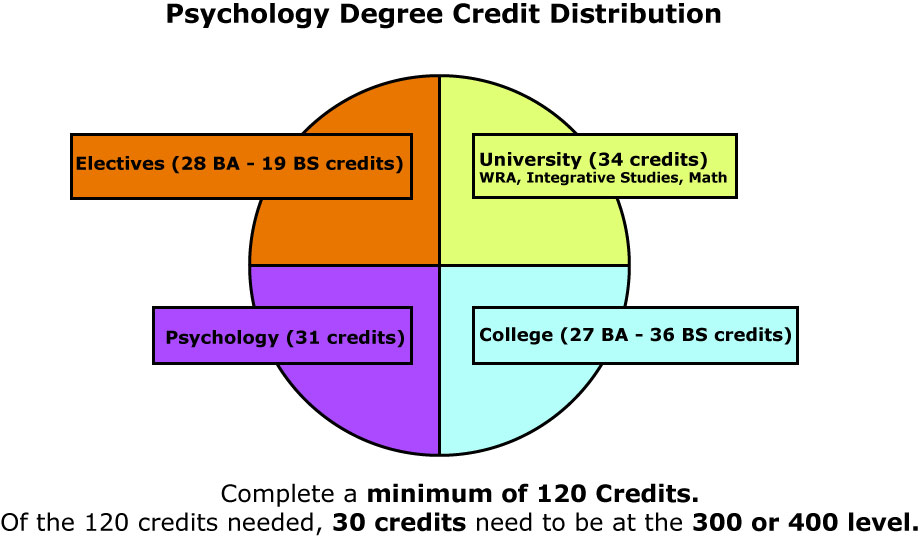
Degree Requirements Department of Psychology Michigan State University
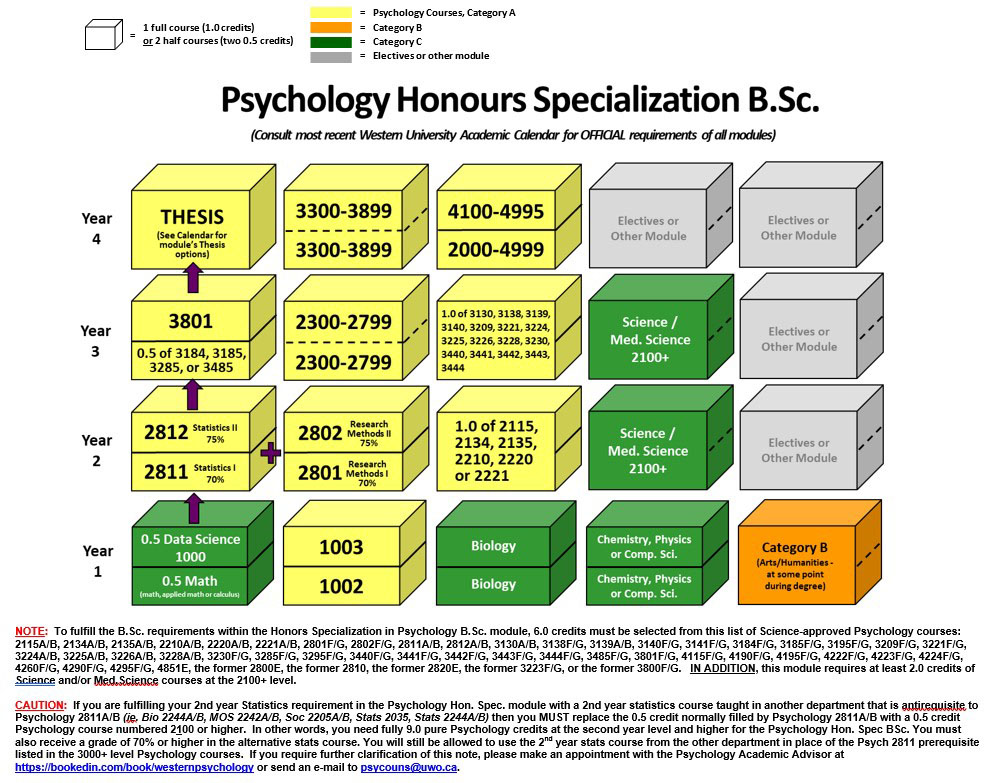
Honours Specialization BSc Psychology Western University Western
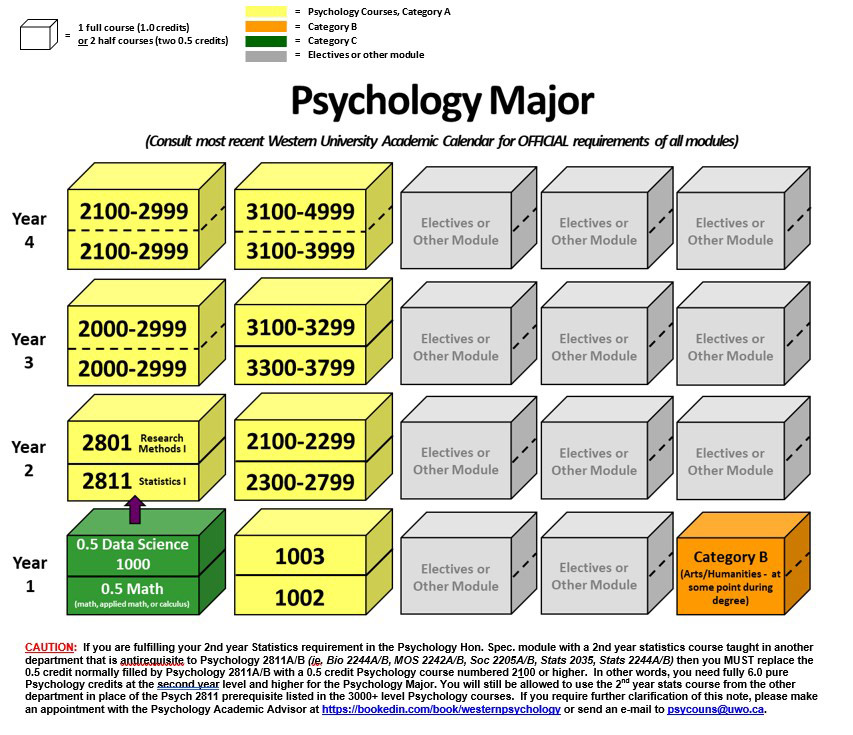
Major in Psychology Psychology Western University Western University
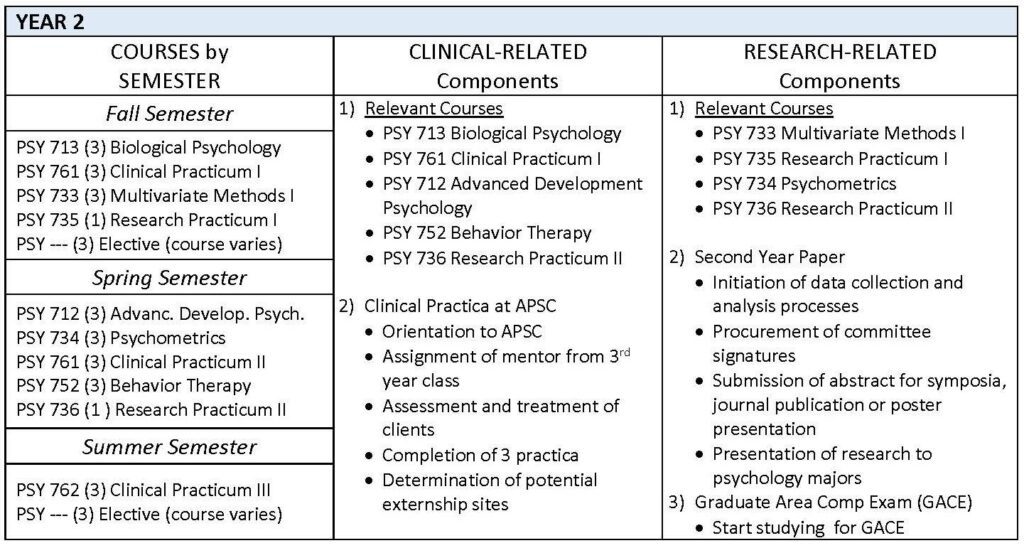
Degree Requirements, Curriculum, and Course Description Department of

PPT Psych Major 101 PowerPoint Presentation, free download ID3710124
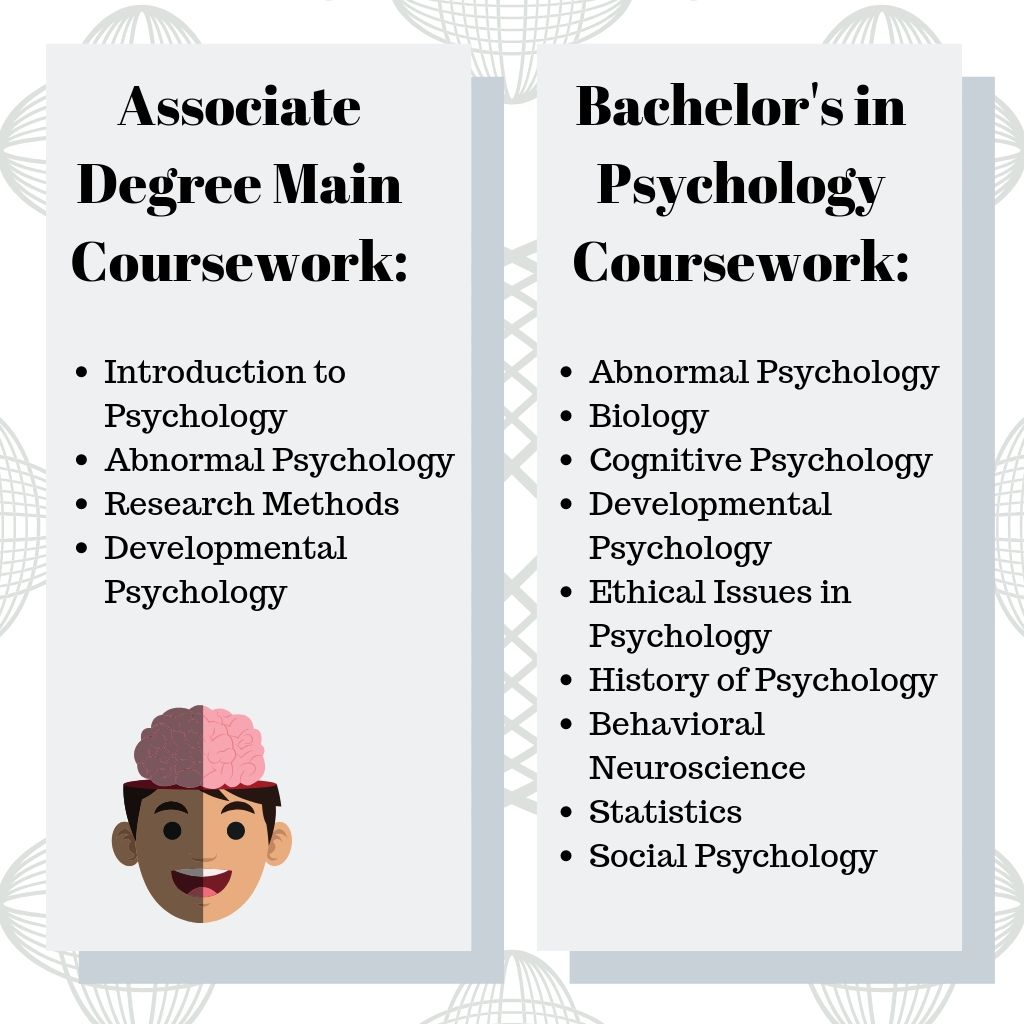
Psychology Career Guide 2023 Salary and Degree Info GradSchoolCenter
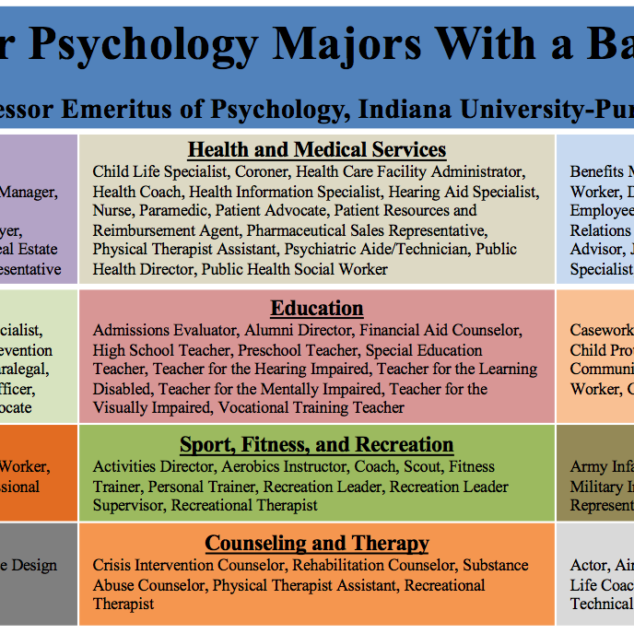
Psychology Degree B.S in Psychology West Liberty University
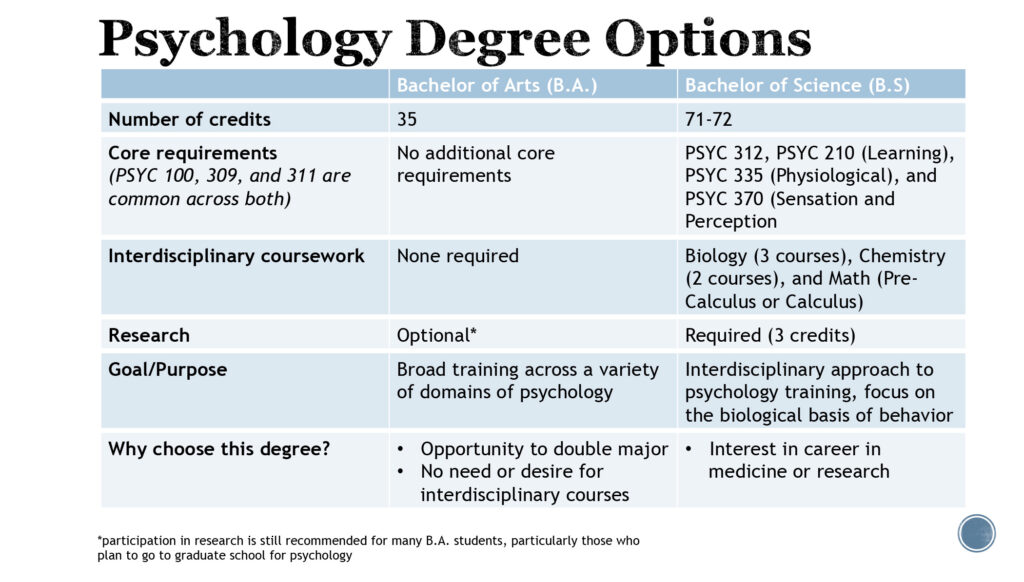
Undergraduate Programs Department of Psychology UMBC
Social Psychology (Psy 220), Cognitive Psychology (Psy 230), Neuroscience (Psy 231), Child Development (Psy 224), Or Abnormal Psychology (Psy 210, Psy 211, Or Psy 216).
Below You’ll Find Lists Of All The Psychology Courses That Can Be Used To Meet The Different Requirements.
If You're Interested In Pursuing A Degree In Psychology, It's Helpful To Understand The Types Of Courses You May Be Taking.
Psychology Majors Are Required To Take A Total Of 13 Credits.
Related Post: