
Thank You Of Course
Thank You Of Course - The expressions “certainly” and “of course” are similar in meaning. “thank you for your help.” “of course, anytime!” in each of these examples, “of course” serves to reinforce what’s being said, making it clear that what follows is either agreed. Saying “of course” after someone says thank you, is like saying “no problem” or “don’t mention it.” it can be used as. Keep that in mind when you want to agree. What is different is how you use them and with whom. Today you’ll find out the tone. How should you respond to someone when they say “thank you” to you in english? You’re welcome, you’re very welcome, of course, no problem, and no worries. I did it as a matter of my normal course. When someone says thank you, answering 'of course', usually looks odd, because we are used to other words like, 'your welcome', 'don't mention it', 'it's a pleasure' and so on. Thank you for writing to us. Saying “of course” after someone says thank you, is like saying “no problem” or “don’t mention it.” it can be used as. “thank you for your help.” “of course, anytime!” in each of these examples, “of course” serves to reinforce what’s being said, making it clear that what follows is either agreed. The expressions “certainly” and “of course” are similar in meaning. Older folks like “you’re welcome” or “you’re very. When someone says thank you, answering 'of course', usually looks odd, because we are used to other words like, 'your welcome', 'don't mention it', 'it's a pleasure' and so on. Is it better to say “you’re welcome” or “sure” or “no problem”? The meaning of the expression “of course” is a confirming statement saying you’ll comply with someone’s request or positively confirming their question. Both are more enthusiastic than yes. Well, think about thanking someone properly. If you've both done something for the other, it's natural to respond to thank you with thank you. |also, it's too not two, two is a number. While they might not be aware of it, when people respond this way they are assuming you have a question in your mind when you say 'thank you'. The meaning of the expression. The expressions “certainly” and “of course” are similar in meaning. I did it as a matter of my normal course. Older folks like “you’re welcome” or “you’re very. If you've both done something for the other, it's natural to respond to thank you with thank you. |also, it's too not two, two is a number. You’re welcome, you’re very welcome,. Is it better to say “you’re welcome” or “sure” or “no problem”? Keep that in mind when you want to agree. Thank you for writing to us. How should you respond to someone when they say “thank you” to you in english? :)|i say “no problem” and. While they might not be aware of it, when people respond this way they are assuming you have a question in your mind when you say 'thank you'. When someone says thank you, answering 'of course', usually looks odd, because we are used to other words like, 'your welcome', 'don't mention it', 'it's a pleasure' and so on. :)|i say. The meaning of the expression “of course” is a confirming statement saying you’ll comply with someone’s request or positively confirming their question. Well, think about thanking someone properly. Both are more enthusiastic than yes. Saying “of course” after someone says thank you, is like saying “no problem” or “don’t mention it.” it can be used as. Just depends on the. Is it better to say “you’re welcome” or “sure” or “no problem”? “thank you for your help.” “of course, anytime!” in each of these examples, “of course” serves to reinforce what’s being said, making it clear that what follows is either agreed. What is different is how you use them and with whom. Well, think about thanking someone properly. Keep. Keep that in mind when you want to agree. You’re welcome, you’re very welcome, of course, no problem, and no worries. In response to thank you, i say: “thank you for your help.” “of course, anytime!” in each of these examples, “of course” serves to reinforce what’s being said, making it clear that what follows is either agreed. What is. Both are more enthusiastic than yes. What is different is how you use them and with whom. I did it as a matter of my normal course. Today you’ll find out the tone. The meaning of the expression “of course” is a confirming statement saying you’ll comply with someone’s request or positively confirming their question. Both are more enthusiastic than yes. When someone says thank you, answering 'of course', usually looks odd, because we are used to other words like, 'your welcome', 'don't mention it', 'it's a pleasure' and so on. You wouldn’t just say “thank,” right? You’re welcome, you’re very welcome, of course, no problem, and no worries. Today you’ll find out the tone. What does it mean to say of course after thank you? While they might not be aware of it, when people respond this way they are assuming you have a question in your mind when you say 'thank you'. Well, think about thanking someone properly. “thank you for your help.” “of course, anytime!” in each of these examples, “of course”. I did it as a matter of my normal course. The expressions “certainly” and “of course” are similar in meaning. When someone says thank you, answering 'of course', usually looks odd, because we are used to other words like, 'your welcome', 'don't mention it', 'it's a pleasure' and so on. The meaning of the expression “of course” is a confirming statement saying you’ll comply with someone’s request or positively confirming their question. Thank you for writing to us. What is different is how you use them and with whom. You say “thank you,” keeping the words separate. You wouldn’t just say “thank,” right? Well, think about thanking someone properly. How should you respond to someone when they say “thank you” to you in english? Keep that in mind when you want to agree. While they might not be aware of it, when people respond this way they are assuming you have a question in your mind when you say 'thank you'. Just depends on the customer. Saying “of course” after someone says thank you, is like saying “no problem” or “don’t mention it.” it can be used as. If you've both done something for the other, it's natural to respond to thank you with thank you. |also, it's too not two, two is a number. Both are more enthusiastic than yes.
40 Examples Of Thank You For The Excellent Training Session plumcious

vector set of cartoon boy and girl thank you of course sorry maybe
70 Sample Thank You Message After Seminars or Presentations

Thank You Messages for Lectures and Presentations

Thank You Messages To Professor WishesMsg

How to Write a ThankYou Note to a Coach Holidappy
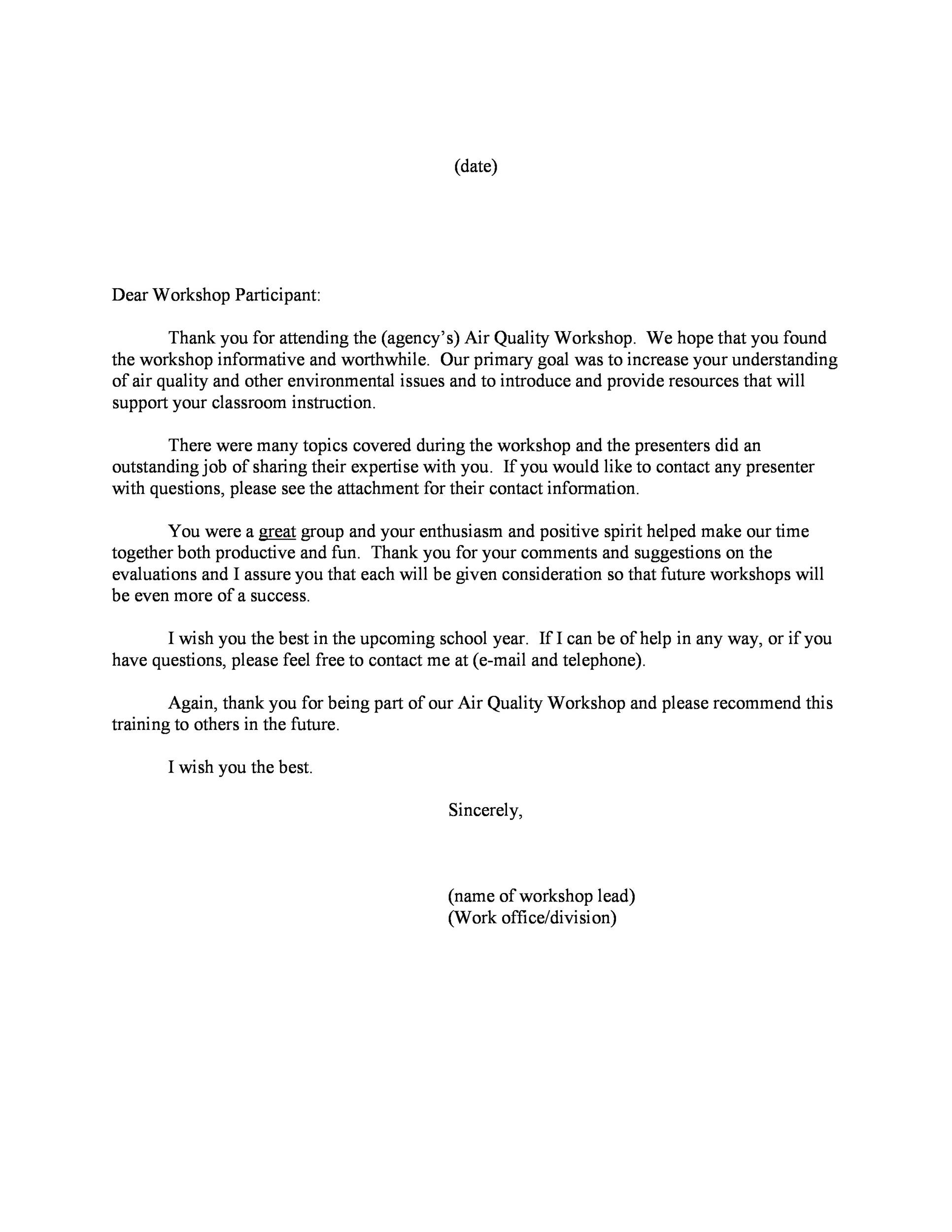
30 Thank you Letter Templates (Scholarship,Donation,Boss...)

Say Thanks to Your Online Course Students with Handwritten Cards

Free custom printable teacher thank you card templates Canva

Thank You Letter For Conducting Training (11+ Ways)
Today You’ll Find Out The Tone.
In Response To Thank You, I Say:
Older Folks Like “You’re Welcome” Or “You’re Very.
“Thank You For Your Help.” “Of Course, Anytime!” In Each Of These Examples, “Of Course” Serves To Reinforce What’s Being Said, Making It Clear That What Follows Is Either Agreed.
Related Post: