
Ethnobotany Courses
Ethnobotany Courses - Learn ethnobotany, earn certificates with paid and free online courses from city college of san francisco, beijing forestry university and other top universities around the world. View all dates and schedule for the upcoming course here. Our two ethnobotany & herbalism instructor training positions are available for adults who want to move beyond a general overview of the skills we teach, and delve deeper into the skills of plant conservation, including knowledge of herbalism and ethnobotany. Lesson 1 (week 1) offers a general introduction and a brief history of ethnobotany. In this introductory course you will learn how plants fulfill human needs, the academic study of ethnobotany, research methods and ethics, and about the case study of piripiri a special group of medicinal plants as used by the shipibo konibo in the peruvian amazon. Then this course is for you! An ethnobotanist studies a region's plants and their practical uses through the traditional knowledge of local culture and people. Read reviews to decide if a class is right for you. With five ethnobiologists on our permanent faculty, wsu offers unsurpassed training in ethnobiology. The ecog group specifically focuses on the use of plants as medicines (medical ethnobotany). Explore the fascinating realm of ethnobotany with this comprehensive course exploring the vital interrelationships between plants and human societies. Then this course is for you! Ethnobotany is the investigation of how people conceptualize and use plants, including as medicines, health agents, tools, textiles, shelter, among others. The minimum education required is a bachelor's and a master's degree. In this introductory course you will learn how plants fulfil human needs, the academic study of ethnobotany, research methods and ethics, and about the case study of piripiri a special group of medicinal plants as used by the shipibo konibo in the peruvian amazon. Learning ethnobotany is about understanding plants and appreciating how traditional knowledge can contribute to sustainability, conservation, and the future of medicine. These results suggest that the internet has emerged as an important platform not only for learning and sharing ghost pipe ethnobotany, the study of the relationship between people and plants, but also for developing new traditions and practices, according to study first author savannah anez, a doctoral degree candidate in plant biology. Our two ethnobotany & herbalism instructor training positions are available for adults who want to move beyond a general overview of the skills we teach, and delve deeper into the skills of plant conservation, including knowledge of herbalism and ethnobotany. View the current 2023 ethnobotany immersion schedules: Through historical research, storytelling, and contemporary scholarship, we will uncover the rich and often hidden history of plant knowledge across different cultures, focusing particularly on the contributions of native american. In this introductory course you will learn how plants fulfill human needs, the academic study of ethnobotany, research methods and ethics, and about the case study of piripiri a special group of medicinal plants as used by the shipibo konibo in the peruvian amazon. Our two ethnobotany & herbalism instructor training positions are available for adults who want to move. In this 4 month course, we’ll study washington state’s native and naturalized plants by visiting every ecosystem it has to offer (desert, alpine, subalpine, montane, wetland and 2nd and old growth forests). Identification and uses of fungi, plant history and ecology, woodland history, wild foods, pros and cons of wild medicines and herbal first aid, directional indicators, working with fibers,. Our two ethnobotany & herbalism instructor training positions are available for adults who want to move beyond a general overview of the skills we teach, and delve deeper into the skills of plant conservation, including knowledge of herbalism and ethnobotany. View all dates and schedule for the upcoming course here. In this 4 month course, we’ll study washington state’s native. Despite a long history of traditional medicinal use in the united states, the collection, consumption and efficacy of the peculiar forest plant aptly named ghost pipe, scientific name. Read reviews to decide if a class is right for you. Ethnobotany is the investigation of how people conceptualize and use plants, including as medicines, health agents, tools, textiles, shelter, among others. Cohort. In this 4 month course, we’ll study washington state’s native and naturalized plants by visiting every ecosystem it has to offer (desert, alpine, subalpine, montane, wetland and 2nd and old growth forests). Then this course is for you! Do you want to learn about the ingenuity of the plant world, and how different human cultures relate to plants? Learn ethnobotany,. Unlock the secrets of traditional plant knowledge with our ethnobotany course, designed for online learners eager to explore the relationship between people and plants. In this 4 month course, we’ll study washington state’s native and naturalized plants by visiting every ecosystem it has to offer (desert, alpine, subalpine, montane, wetland and 2nd and old growth forests). Ethnobotany is the investigation. In this course, you will be introduced to the fundamentals of ethnobotany. View the current 2023 ethnobotany immersion schedules: Through historical research, storytelling, and contemporary scholarship, we will uncover the rich and often hidden history of plant knowledge across different cultures, focusing particularly on the contributions of native american. Our two ethnobotany & herbalism instructor training positions are available for. Identification and uses of fungi, plant history and ecology, woodland history, wild foods, pros and cons of wild medicines and herbal first aid, directional indicators, working with fibers, natural dyes, saps and resins, plants and nutrition, plant chemicals and toxins and nomenclature. With five ethnobiologists on our permanent faculty, wsu offers unsurpassed training in ethnobiology. In this introductory course you. This course explores the fascinating world of ethnobotany, the study of the relationship between plants and people. Ethnobotany is the investigation of how people conceptualize and use plants, including as medicines, health agents, tools, textiles, shelter, among others. In this course, you will be introduced to the fundamentals of ethnobotany. Through historical research, storytelling, and contemporary scholarship, we will uncover. Unlock the secrets of traditional plant knowledge with our ethnobotany course, designed for online learners eager to explore the relationship between people and plants. The study of ethnobotany helps us understand how people in different cultures relate to plants for their survival, their. We will look at how different cultures understand plants and their uses, and explore the influential role. With five ethnobiologists on our permanent faculty, wsu offers unsurpassed training in ethnobiology. In this introductory course you will learn how plants fulfil human needs, the academic study of ethnobotany, research methods and ethics, and about the case study of piripiri a special group of medicinal plants as used by the shipibo konibo in the peruvian amazon. Alderleaf offers a variety of wild edible and medicinal plants courses. Despite a long history of traditional medicinal use in the united states, the collection, consumption and efficacy of the peculiar forest plant aptly named ghost pipe, scientific name. In this course, you will be introduced to the fundamentals of ethnobotany. Unlock the secrets of traditional plant knowledge with our ethnobotany course, designed for online learners eager to explore the relationship between people and plants. This course explores the fascinating world of ethnobotany, the study of the relationship between plants and people. Ethnobotany is the investigation of how people conceptualize and use plants, including as medicines, health agents, tools, textiles, shelter, among others. View all dates and schedule for the upcoming course here. View the current 2023 ethnobotany immersion schedules: Explore the fascinating realm of ethnobotany with this comprehensive course exploring the vital interrelationships between plants and human societies. In this introductory course you will learn how plants fulfill human needs, the academic study of ethnobotany, research methods and ethics, and about the case study of piripiri a special group of medicinal plants as used by the shipibo konibo in the peruvian amazon. In this 4 month course, we’ll study washington state’s native and naturalized plants by visiting every ecosystem it has to offer (desert, alpine, subalpine, montane, wetland and 2nd and old growth forests). The study of ethnobotany helps us understand how people in different cultures relate to plants for their survival, their. Then this course is for you! Cohort 1 and cohort 2 cost:
Ethnobotany Course
EBOT Courses Alaska Ethnobotany
EBOT Courses Alaska Ethnobotany

Ethnobotany Courses Woodcraft School

Ethnobotany Courses Woodcraft School
EBOT Courses Alaska Ethnobotany
Degrees in Ethnobotany Alaska Ethnobotany
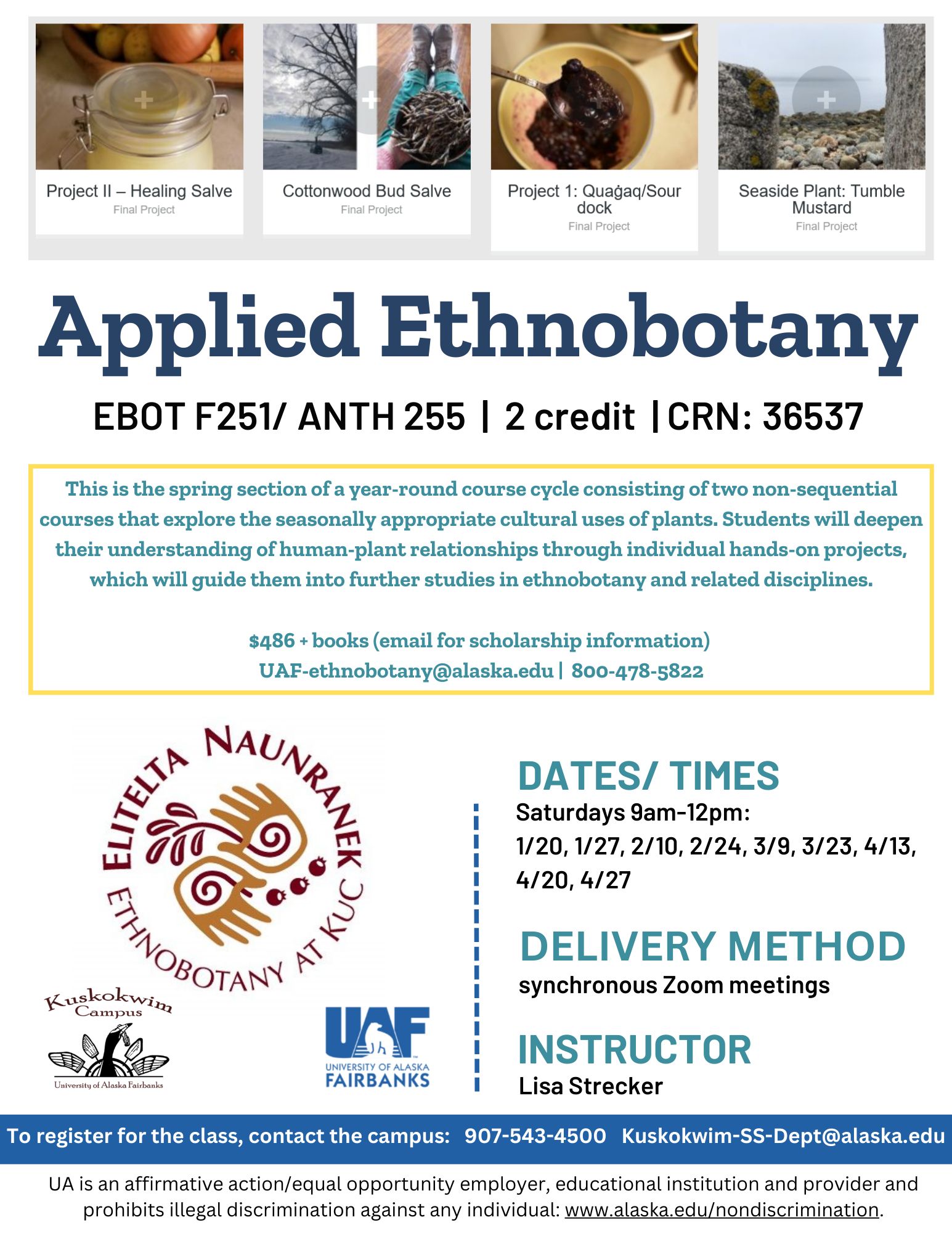
EBOT Courses Alaska Ethnobotany
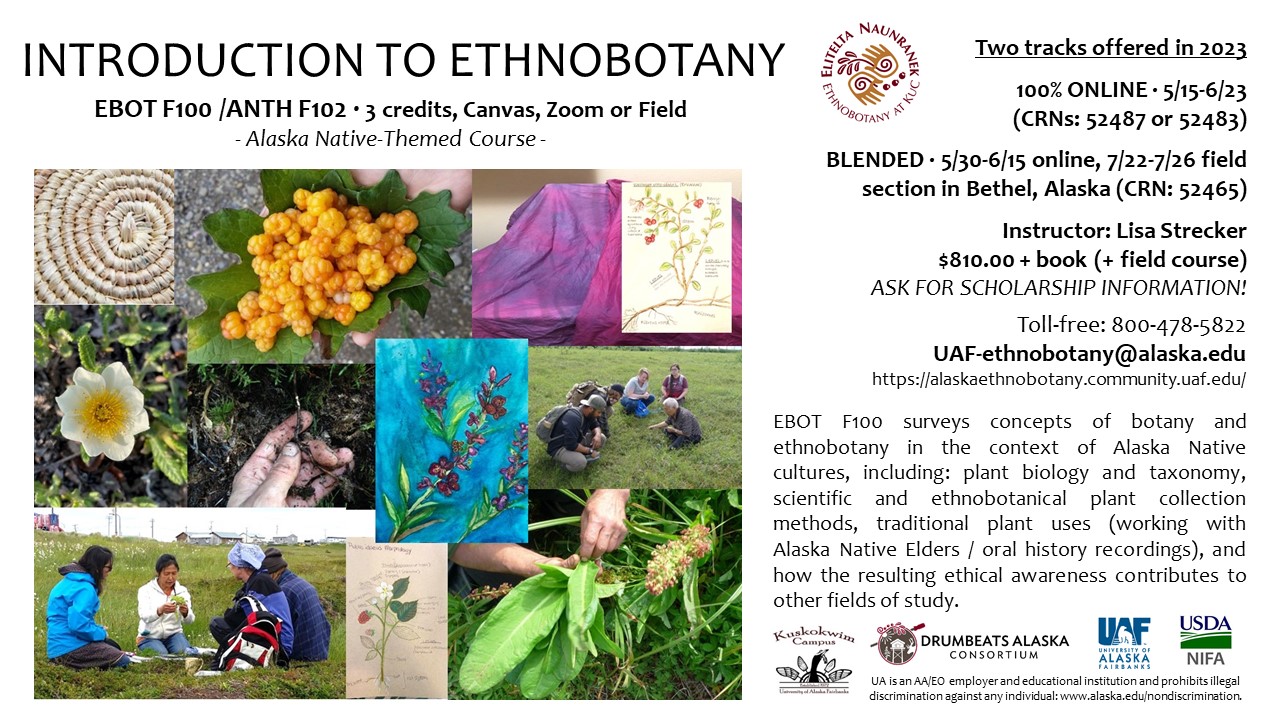
EBOT Courses Alaska Ethnobotany
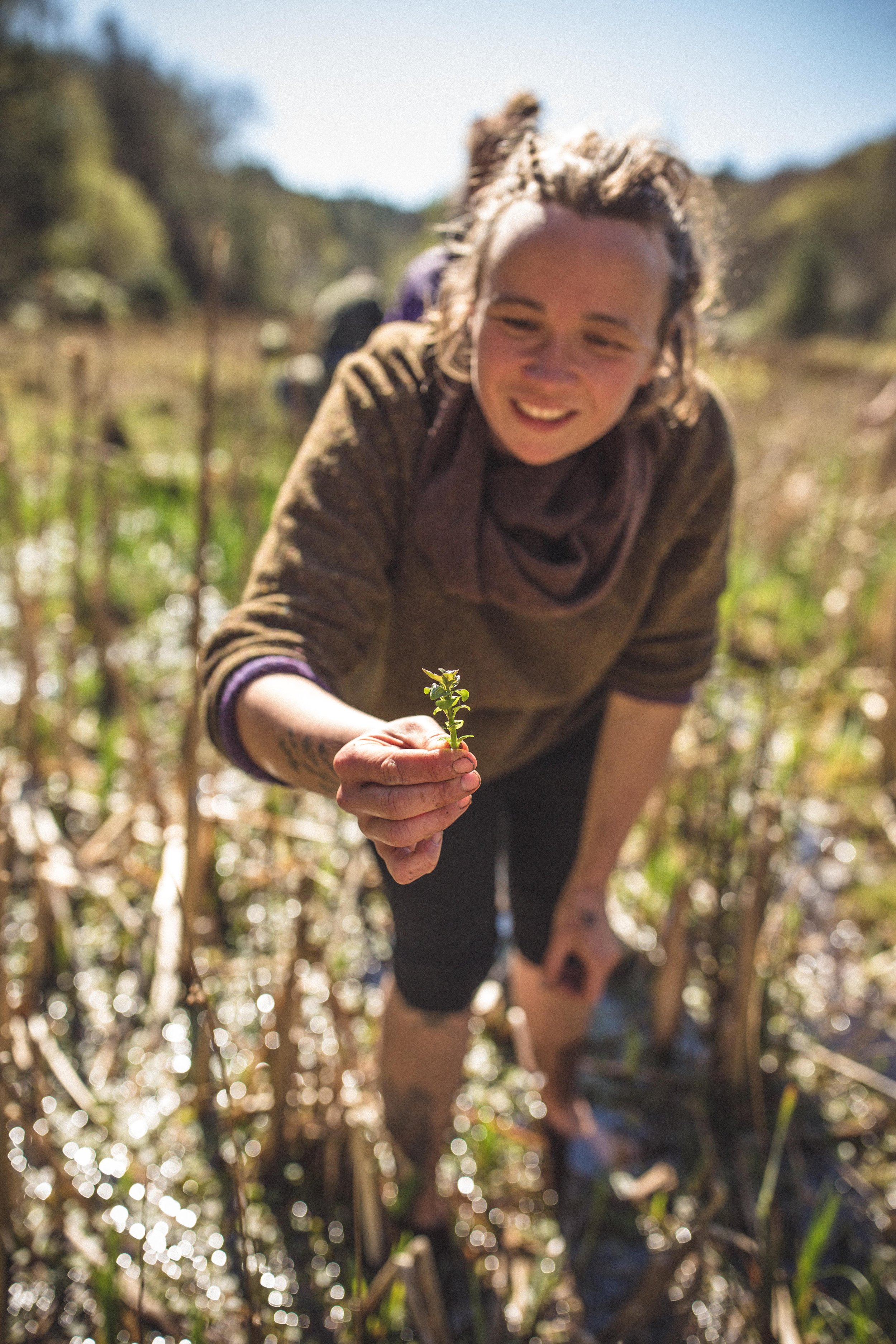
Courses Ethnobotany — Wild Awake
Learning Ethnobotany Is About Understanding Plants And Appreciating How Traditional Knowledge Can Contribute To Sustainability, Conservation, And The Future Of Medicine.
Through Historical Research, Storytelling, And Contemporary Scholarship, We Will Uncover The Rich And Often Hidden History Of Plant Knowledge Across Different Cultures, Focusing Particularly On The Contributions Of Native American.
Learn Ethnobotany, Earn Certificates With Paid And Free Online Courses From City College Of San Francisco, Beijing Forestry University And Other Top Universities Around The World.
Identification And Uses Of Fungi, Plant History And Ecology, Woodland History, Wild Foods, Pros And Cons Of Wild Medicines And Herbal First Aid, Directional Indicators, Working With Fibers, Natural Dyes, Saps And Resins, Plants And Nutrition, Plant Chemicals And Toxins And Nomenclature.
Related Post: