
Dysrhythmia Recognition Course
Dysrhythmia Recognition Course - Two sessions per week for 6 weeks, each session lasting 4 hours. Top ratedworldwide cme creditsfor clinicianscheck guides Purpose this study aimed to evaluate the effectiveness of an online educational program designed to improve nurses’ skills in interpreting electrocardiograms (ecgs). Essentials of ecg and dysrhythmia monitoring is an online course designed to build skills and confidence in identifying cardiac rhythms, helping nurses respond promptly and appropriately for optimal patient outcomes. Ekg recording and basic interpretation, holter monitoring, and stress testing fundamentals. Our course will equip the monitor technician with a basic understanding of the monitoring process as well as the ability to interpret all of the basic cardiac dysrhythmias that are required by most. The course will take a deeper dive into recognizing bradycardias and heart blocks, atrial fibrillation, narrow and wide complex svts, and prolonged qt disorders that will strengthen. This course is designed for healthcare professionals who have had prior experience in ekg recognition and treatment and are looking for a class to review basic ekg rhythm recognition. We use video representations to show you how to recognize common arrhythmias, including atrial fibrillation, ventricular tachycardia, and heart block. 4 quizzes are required and. We use video representations to show you how to recognize common arrhythmias, including atrial fibrillation, ventricular tachycardia, and heart block. Essentials of ecg and dysrhythmia monitoring is an online course designed to build skills and confidence in identifying cardiac rhythms, helping nurses respond promptly and appropriately for optimal patient outcomes. Determine the appropriate interventions for each of the identified dysrhythmias. It will help to enhance your ability to. The course will take a deeper dive into recognizing bradycardias and heart blocks, atrial fibrillation, narrow and wide complex svts, and prolonged qt disorders that will strengthen. 4 quizzes are required and. Rosalia gonzalez, dnp, aprn, clinical nurse specialist. Our course will equip the monitor technician with a basic understanding of the monitoring process as well as the ability to interpret all of the basic cardiac dysrhythmias that are required by most. Our arrhythmia interpretation course is perfect for those who need to interpret normal and abnormal rhythms but do not need to learn all of the ecg criteria or detailed ecg. This course is designed for healthcare professionals who have had prior experience in ekg recognition and treatment and are looking for a class to review basic ekg rhythm recognition. Rosalia gonzalez, dnp, aprn, clinical nurse specialist. The course will take a deeper dive into recognizing bradycardias and heart blocks, atrial fibrillation, narrow and wide complex svts, and prolonged qt disorders that will strengthen. Our arrhythmia interpretation course is perfect for those who need to interpret normal and abnormal rhythms but do not need to learn all of the ecg. It will help to enhance your ability to. Purpose this study aimed to evaluate the effectiveness of an online educational program designed to improve nurses’ skills in interpreting electrocardiograms (ecgs). 4 quizzes are required and. Two sessions per week for 6 weeks, each session lasting 4 hours. We use video representations to show you how to recognize common arrhythmias, including. Determine the appropriate interventions for each of the identified dysrhythmias. The purpose of this activity is to understand basic ecg interpretation and common abnormal heart rhythms: Two sessions per week for 6 weeks, each session lasting 4 hours. 4 quizzes are required and. Our arrhythmia interpretation course is perfect for those who need to interpret normal and abnormal rhythms but. This course is designed for healthcare professionals who have had prior experience in ekg recognition and treatment and are looking for a class to review basic ekg rhythm recognition. Our course will equip the monitor technician with a basic understanding of the monitoring process as well as the ability to interpret all of the basic cardiac dysrhythmias that are required. Two sessions per week for 6 weeks, each session lasting 4 hours. Recognize cardiac rhythms accurately and measure the rate, rhythm, pr interval, and qrs duration. Our arrhythmia interpretation course is perfect for those who need to interpret normal and abnormal rhythms but do not need to learn all of the ecg criteria or detailed ecg. This course is designed. Top ratedworldwide cme creditsfor clinicianscheck guides Our arrhythmia interpretation course is perfect for those who need to interpret normal and abnormal rhythms but do not need to learn all of the ecg criteria or detailed ecg. It will help to enhance your ability to. This healthcare course expands your. We use video representations to show you how to recognize common. Rosalia gonzalez, dnp, aprn, clinical nurse specialist. Recognize cardiac rhythms accurately and measure the rate, rhythm, pr interval, and qrs duration. Purpose this study aimed to evaluate the effectiveness of an online educational program designed to improve nurses’ skills in interpreting electrocardiograms (ecgs). It will help to enhance your ability to. This healthcare course expands your. Ekg recording and basic interpretation, holter monitoring, and stress testing fundamentals. Two sessions per week for 6 weeks, each session lasting 4 hours. Purpose this study aimed to evaluate the effectiveness of an online educational program designed to improve nurses’ skills in interpreting electrocardiograms (ecgs). Our arrhythmia interpretation course is perfect for those who need to interpret normal and abnormal. The purpose of this activity is to understand basic ecg interpretation and common abnormal heart rhythms: Purpose this study aimed to evaluate the effectiveness of an online educational program designed to improve nurses’ skills in interpreting electrocardiograms (ecgs). Ekg recording and basic interpretation, holter monitoring, and stress testing fundamentals. Determine the appropriate interventions for each of the identified dysrhythmias. The. The course will take a deeper dive into recognizing bradycardias and heart blocks, atrial fibrillation, narrow and wide complex svts, and prolonged qt disorders that will strengthen. Top ratedworldwide cme creditsfor clinicianscheck guides It will help to enhance your ability to. Two sessions per week for 6 weeks, each session lasting 4 hours. Recognize cardiac rhythms accurately and measure the. 4 quizzes are required and. Rosalia gonzalez, dnp, aprn, clinical nurse specialist. This course is designed for healthcare professionals who have had prior experience in ekg recognition and treatment and are looking for a class to review basic ekg rhythm recognition. Recognize cardiac rhythms accurately and measure the rate, rhythm, pr interval, and qrs duration. Two sessions per week for 6 weeks, each session lasting 4 hours. Our course will equip the monitor technician with a basic understanding of the monitoring process as well as the ability to interpret all of the basic cardiac dysrhythmias that are required by most. This healthcare course expands your. Essentials of ecg and dysrhythmia monitoring is an online course designed to build skills and confidence in identifying cardiac rhythms, helping nurses respond promptly and appropriately for optimal patient outcomes. Top ratedworldwide cme creditsfor clinicianscheck guides The course will take a deeper dive into recognizing bradycardias and heart blocks, atrial fibrillation, narrow and wide complex svts, and prolonged qt disorders that will strengthen. Purpose this study aimed to evaluate the effectiveness of an online educational program designed to improve nurses’ skills in interpreting electrocardiograms (ecgs). Ekg recording and basic interpretation, holter monitoring, and stress testing fundamentals. Our arrhythmia interpretation course is perfect for those who need to interpret normal and abnormal rhythms but do not need to learn all of the ecg criteria or detailed ecg.
AACN Dysrhythmia Recognition in Adults Pocket Reference Card AACN
Basic Dysrhythmia Recognition Basic Dysrhythmia Recognition Stuvia US
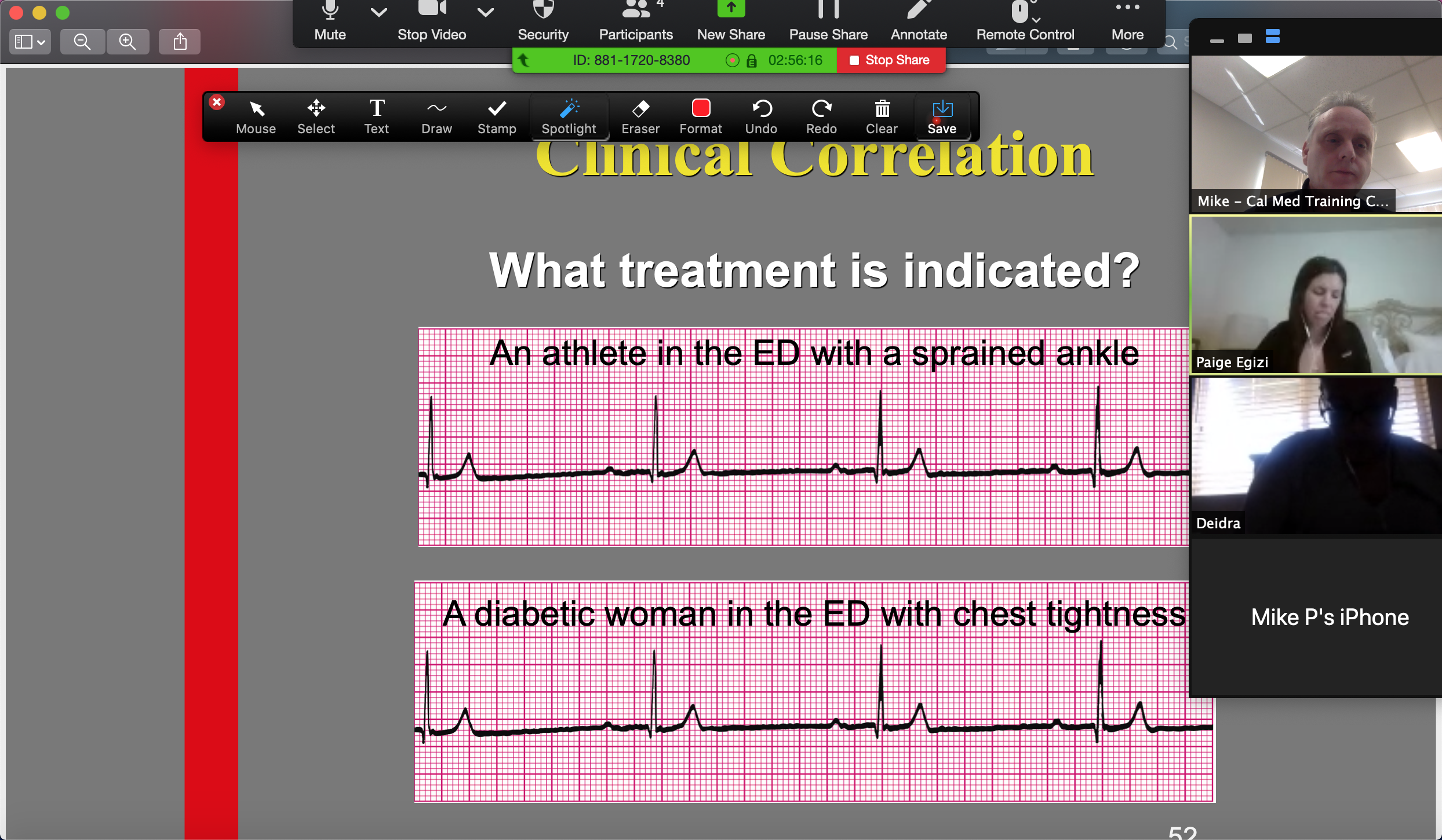
ECG/EKG Dysrhythmia Interpretation Virtual Class California Medical
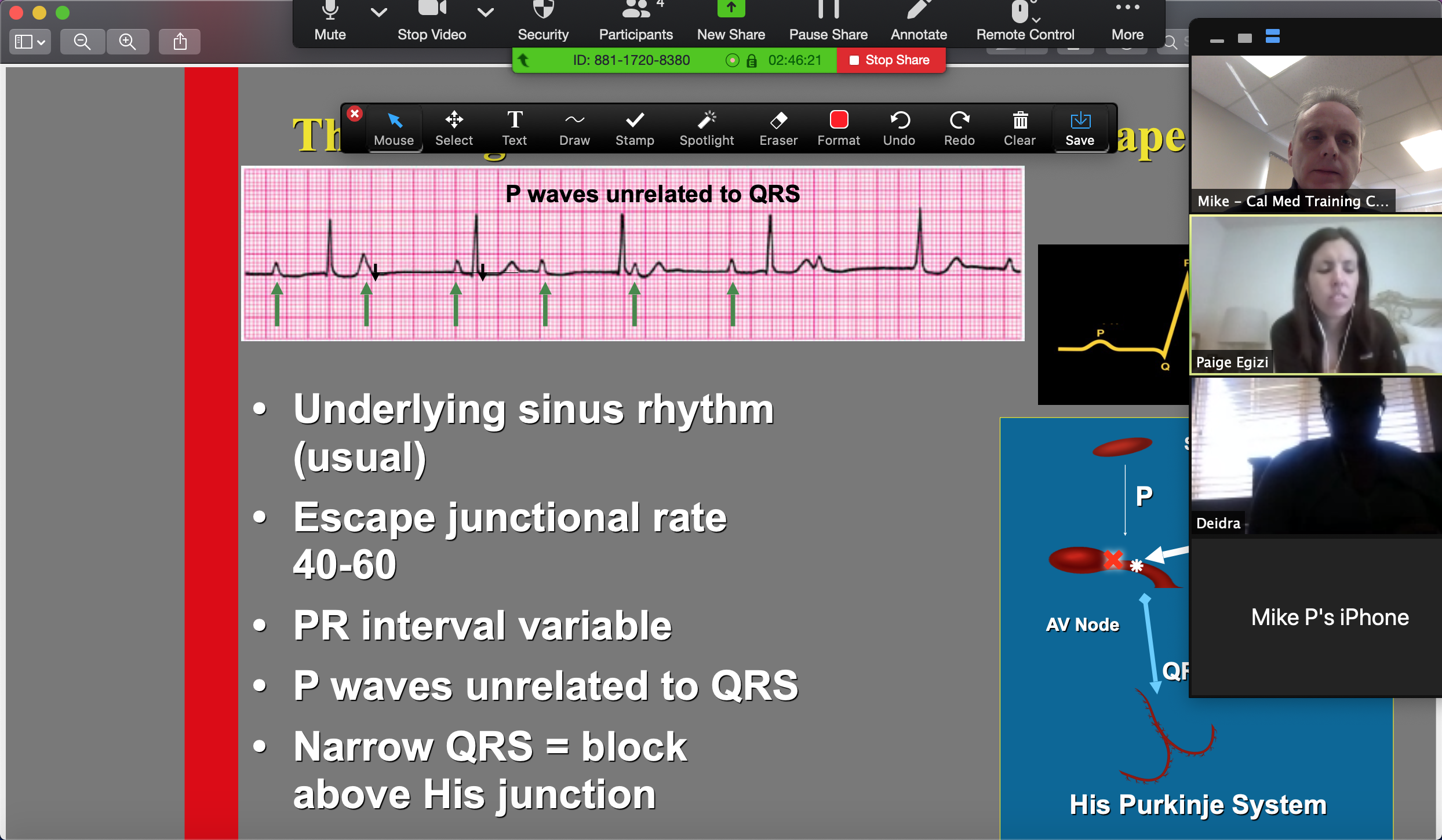
ECG/EKG Dysrhythmia Interpretation Virtual Class California Medical
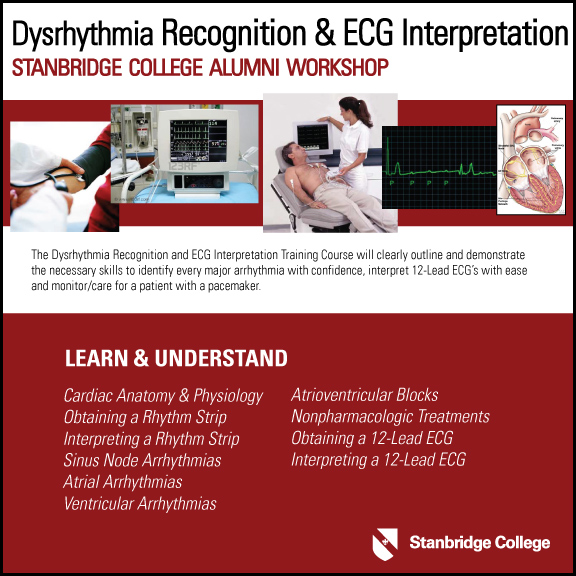
Dysrhythmia Recognition & ECG Interpretation Alumni

Dysrhythmia Recognition Pocket Reference Card pdf NURS 320 ODU

SOLUTION Basic dysrhythmia recognition Studypool

SOLUTION Basic dysrhythmia recognition Studypool

PPT Basic Dysrhythmia Interpretation Course 2007 PowerPoint
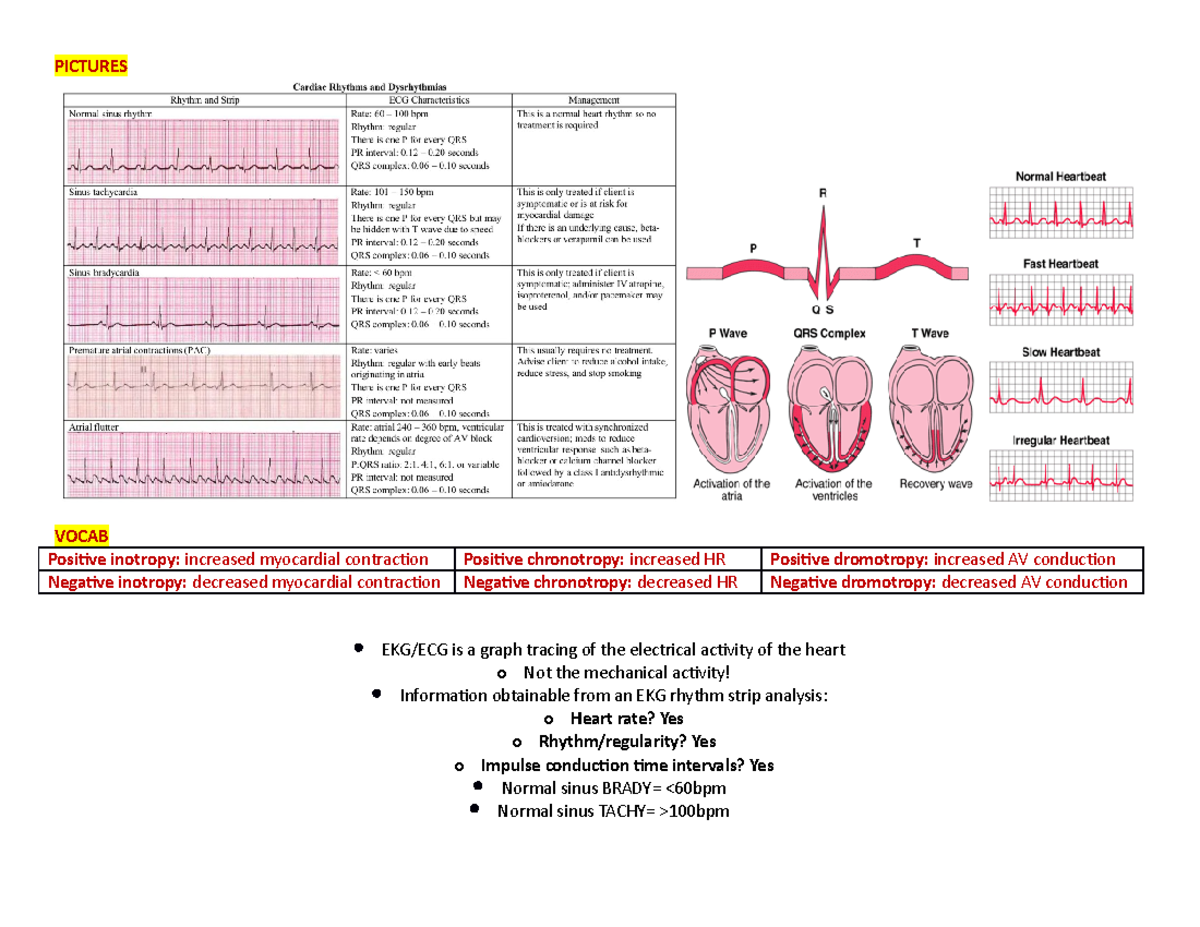
Cardiac Dysrhythmias Study Chart PICTURES VOCAB Positive inotropy
We Use Video Representations To Show You How To Recognize Common Arrhythmias, Including Atrial Fibrillation, Ventricular Tachycardia, And Heart Block.
Determine The Appropriate Interventions For Each Of The Identified Dysrhythmias.
The Purpose Of This Activity Is To Understand Basic Ecg Interpretation And Common Abnormal Heart Rhythms:
It Will Help To Enhance Your Ability To.
Related Post: