
Course Of Saphenous Nerve
Course Of Saphenous Nerve - Ten lower limb embalmed specimens were meticulously dissected, digitized, laser scanned, and modelled in 3d. The course of the main branches, number of collateral. Learn its course and anatomy. The course of the saphenous nerve: The saphenous nerve is a major peripheral nerve of the thigh and medial leg. The saphenous nerve is a sensory nerve, which provides sensory innervation to the posteromedial aspect of the leg and the medial aspect of the foot. The saphenous nerve is a sensory branch of the femoral nerve, originating from the l3 and l4 spinal nerves. Shortly after the femoral nerve passes under the inguinal ligament, it splits into anterior and posterior divisions by the passage of the lateral femoral circumflex artery (a branch of the profunda femoris artery It is purely a sensory nerve. This nerve plays a key role in providing sensation to the anteromedial, medial, and posteromedial regions of the. It is the longest sensory nerve in the human body and primarily. The course of the saphenous nerve: The saphenous nerve can be blocked anywhere along its course, from. Shortly after the femoral nerve passes under the inguinal ligament, it splits into anterior and posterior divisions by the passage of the lateral femoral circumflex artery (a branch of the profunda femoris artery Its origin from the femoral nerve, extensive course through the. The saphenous nerve is a clinically important nerve that may differ in its anatomical course among individuals and between the left and right limbs of a person. Ten lower limb embalmed specimens were meticulously dissected, digitized, laser scanned, and modelled in 3d. Anesthesia of the medial lower leg can be achieved by blocking either the femoral or saphenous nerves. However, the exact course and location of the distal saphenous nerve is not well described in the literature. The saphenous nerve is a sensory nerve, which provides sensory innervation to the posteromedial aspect of the leg and the medial aspect of the foot. The saphenous nerve is a sensory branch of the femoral nerve, originating from the l3 and l4 spinal nerves. The course of the main branches, number of collateral. The saphenous nerve is a sensory nerve that presents deep within the leg. Ten lower limb embalmed specimens were meticulously dissected, digitized, laser scanned, and modelled in 3d. This nerve plays a. The purpose of this study was to determine the distal limit of the saphenous nerve. It’s part of the peripheral nervous system, which helps the brain interpret, or “feel,” stimuli from the. The vagus nerve is a vital cranial nerve that controls parasympathetic functions in the body, from the brainstem to the abdomen! It is the longest sensory nerve in. Its anatomy at the joint line of the knee. The saphenous nerve can be blocked anywhere along its course, from. The saphenous nerve is a clinically important nerve that may differ in its anatomical course among individuals and between the left and right limbs of a person. The vagus nerve is a vital cranial nerve that controls parasympathetic functions in. The course of the main branches, number of collateral. The vagus nerve is a vital cranial nerve that controls parasympathetic functions in the body, from the brainstem to the abdomen! Shortly after the femoral nerve passes under the inguinal ligament, it splits into anterior and posterior divisions by the passage of the lateral femoral circumflex artery (a branch of the. The saphenous nerve is the largest and terminal branch of the femoral nerve. The course of the main branches, number of collateral. The saphenous nerve is a sensory branch of the femoral nerve, originating from the l3 and l4 spinal nerves. The purpose of this study was to determine the distal limit of the saphenous nerve. The infrapatellar branch of. The saphenous nerve is a sensory branch of the femoral nerve, originating from the l3 and l4 spinal nerves. Firstly, the saphenous nerve is. The saphenous nerve is a clinically important nerve that may differ in its anatomical course among individuals and between the left and right limbs of a person. The infrapatellar branch of the. The saphenous nerve is. Its anatomy at the joint line of the knee. Shortly after the femoral nerve passes under the inguinal ligament, it splits into anterior and posterior divisions by the passage of the lateral femoral circumflex artery (a branch of the profunda femoris artery However, the exact course and location of the distal saphenous nerve is not well described in the literature.. The saphenous nerve represents a critical sensory component of the lower extremity’s nervous system. The purpose of this study was to determine the distal limit of the saphenous nerve. Learn its course and anatomy. The saphenous nerve, artery, and vein are integral structures of a neurovascular bundle that courses through the thigh and leg of the lower limb. The saphenous. Explore the anatomy and role of the saphenous nerve in the thigh and leg with innerbody's 3d model. Anesthesia of the medial lower leg can be achieved by blocking either the femoral or saphenous nerves. The infrapatellar branch of the. The saphenous nerve is a sensory nerve, which provides sensory innervation to the posteromedial aspect of the leg and the. Its anatomy at the joint line of the knee. Anesthesia of the medial lower leg can be achieved by blocking either the femoral or saphenous nerves. The purpose of this study was to determine the distal limit of the saphenous nerve. This nerve plays a key role in providing sensation to the anteromedial, medial, and posteromedial regions of the. The. The infrapatellar branch of the. Ten lower limb embalmed specimens were meticulously dissected, digitized, laser scanned, and modelled in 3d. The course of the saphenous nerve: Its anatomy at the joint line of the knee. The saphenous nerve is a major peripheral nerve of the thigh and medial leg. The purpose of this study was to determine the distal limit of the saphenous nerve. The saphenous nerve is a clinically important nerve that may differ in its anatomical course among individuals and between the left and right limbs of a person. The saphenous nerve is a sensory nerve, which provides sensory innervation to the posteromedial aspect of the leg and the medial aspect of the foot. The saphenous nerve is a sensory nerve that presents deep within the leg. The saphenous nerve is the largest cutaneous branch of the femoral nerve. The course of the main branches, number of collateral. The saphenous nerve can be blocked anywhere along its course, from. It’s part of the peripheral nervous system, which helps the brain interpret, or “feel,” stimuli from the. The saphenous nerve is the largest and terminal branch of the femoral nerve. Explore the anatomy and role of the saphenous nerve in the thigh and leg with innerbody's 3d model. The course of the main branches, number of collateral.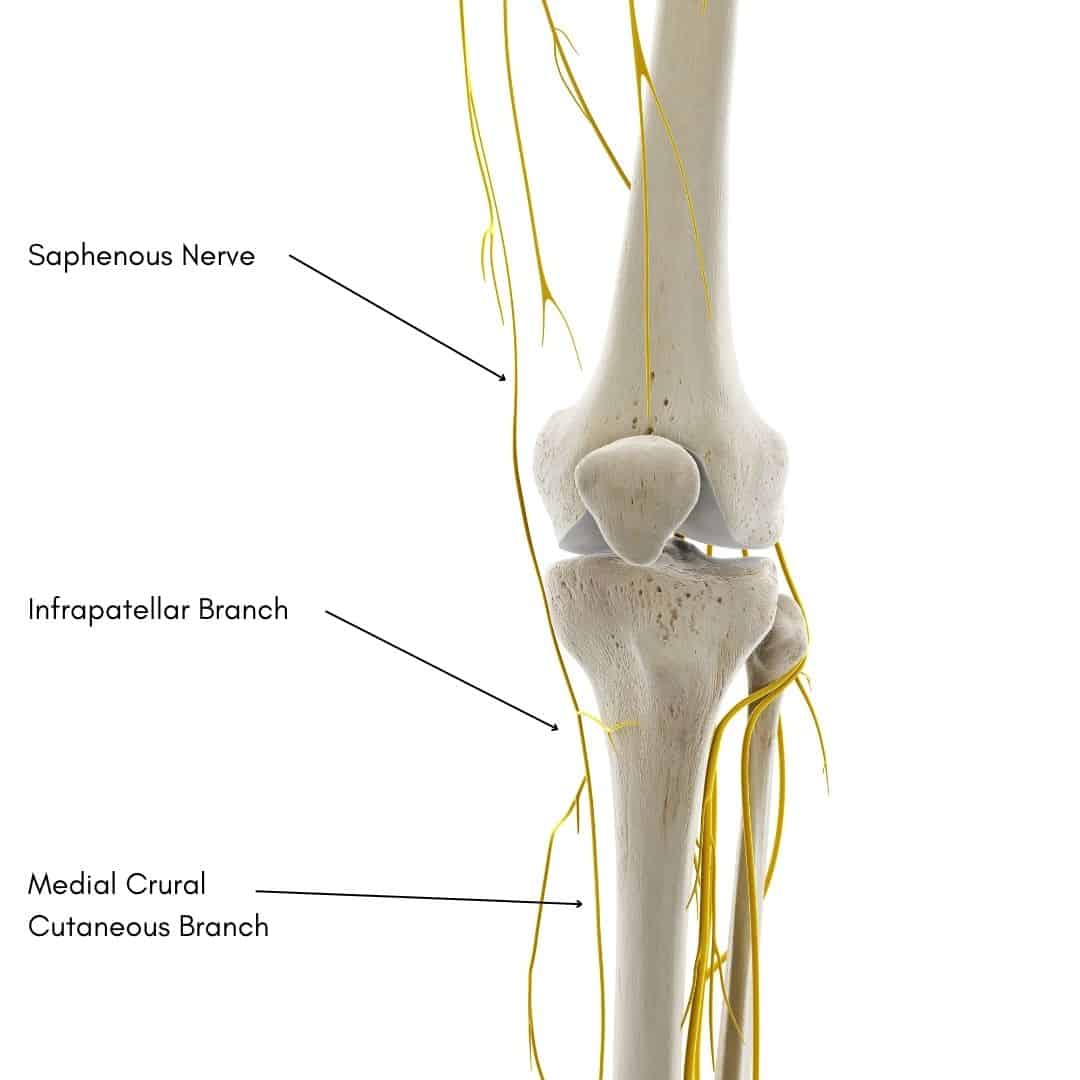
Saphenous Nerve Anatomy and Function
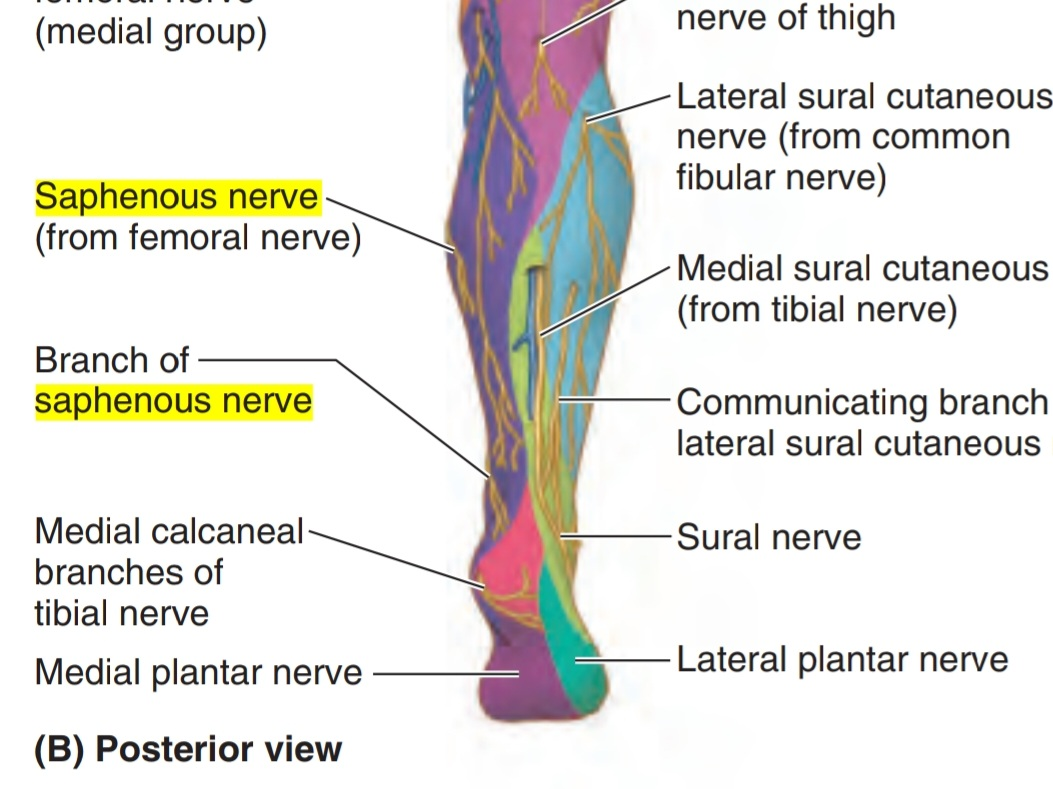
Saphenous nerve

4 Saphenous nerve anatomy (Image by Springer) Download Scientific Diagram
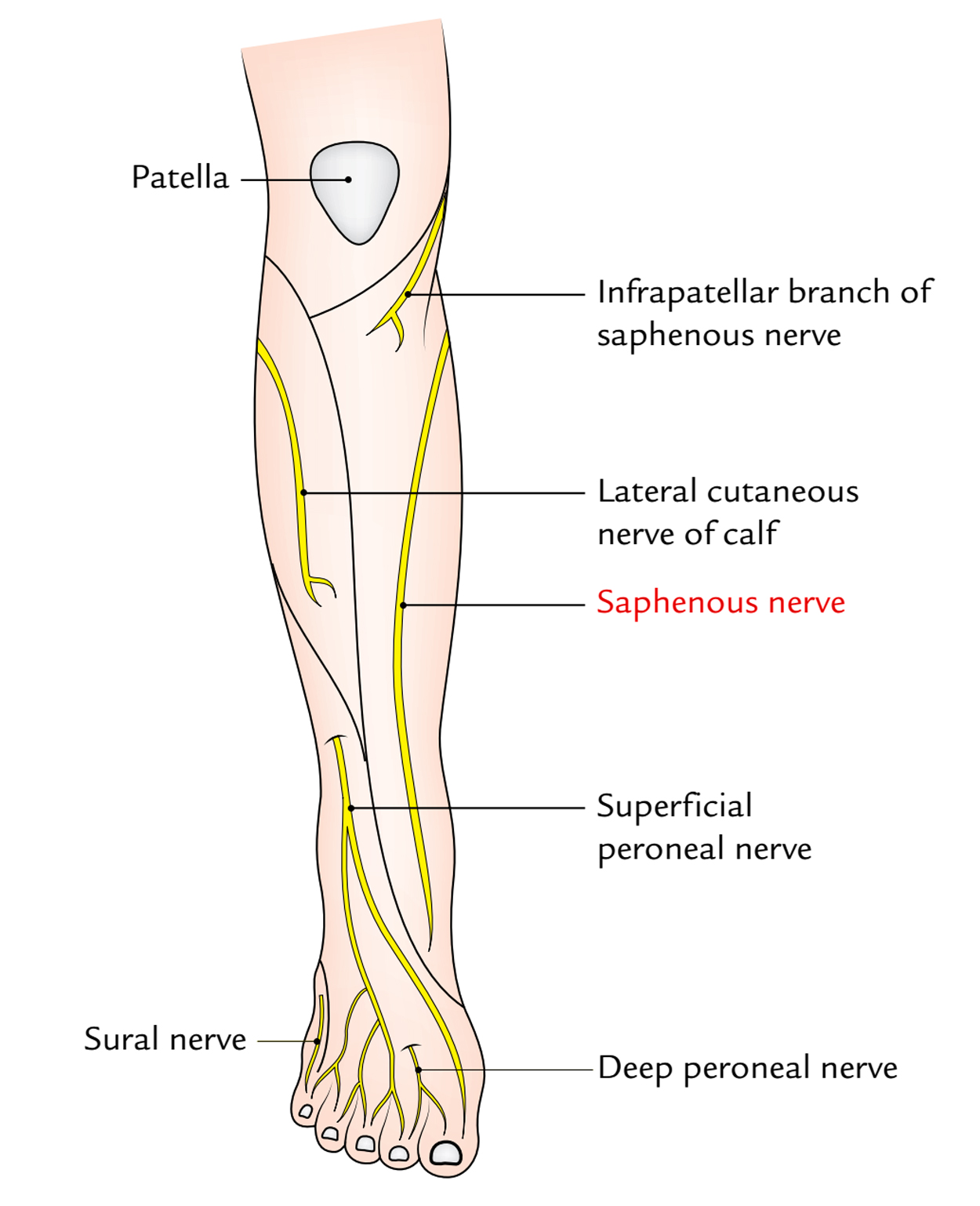
Saphenous Nerve Course Abba Humananatomy

Saphenous Nerve Anatomy, Pain, and Treatment Portland
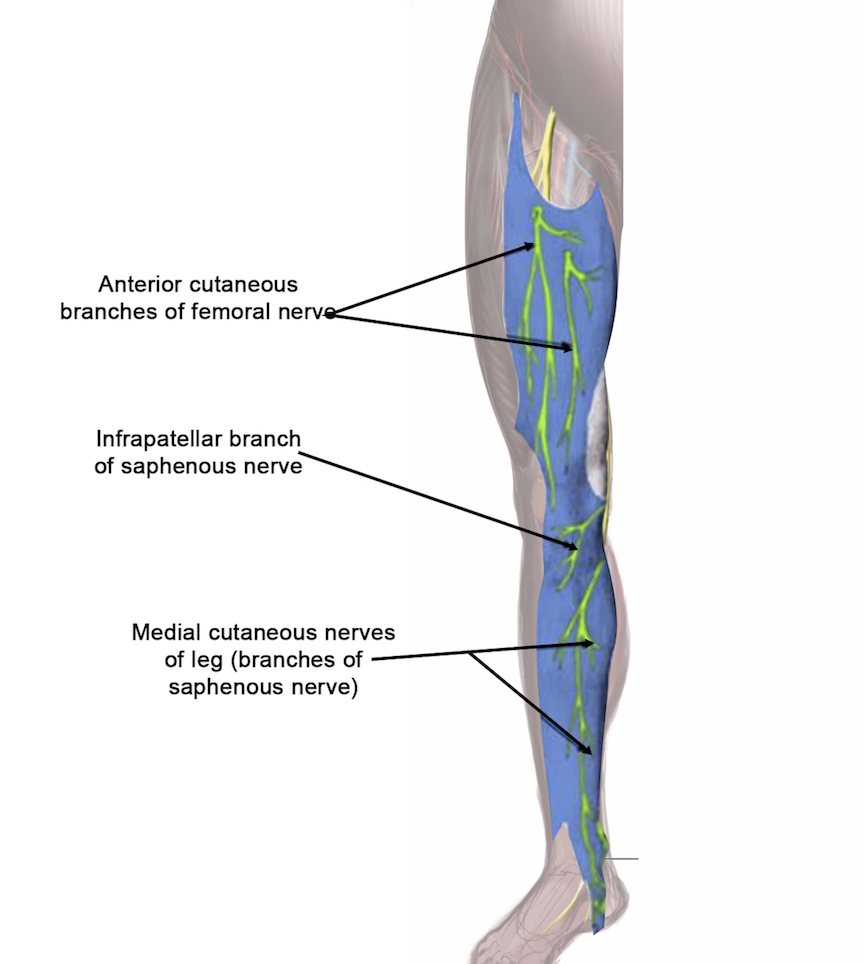
Saphenous Nerve Course Abba Humananatomy
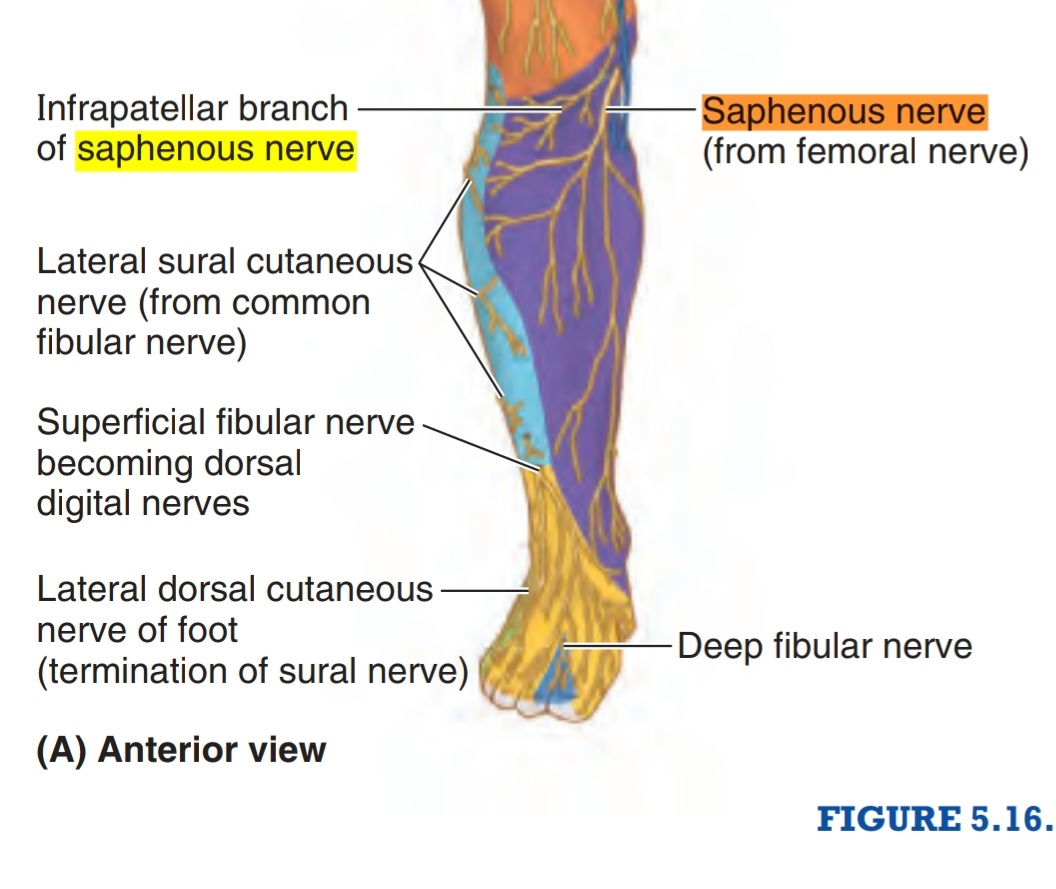
Saphenous nerve

The Femoral Nerve Course Motor Sensory TeachMeAnatomy

Panel A illustration of the saphenous nerve and the two different
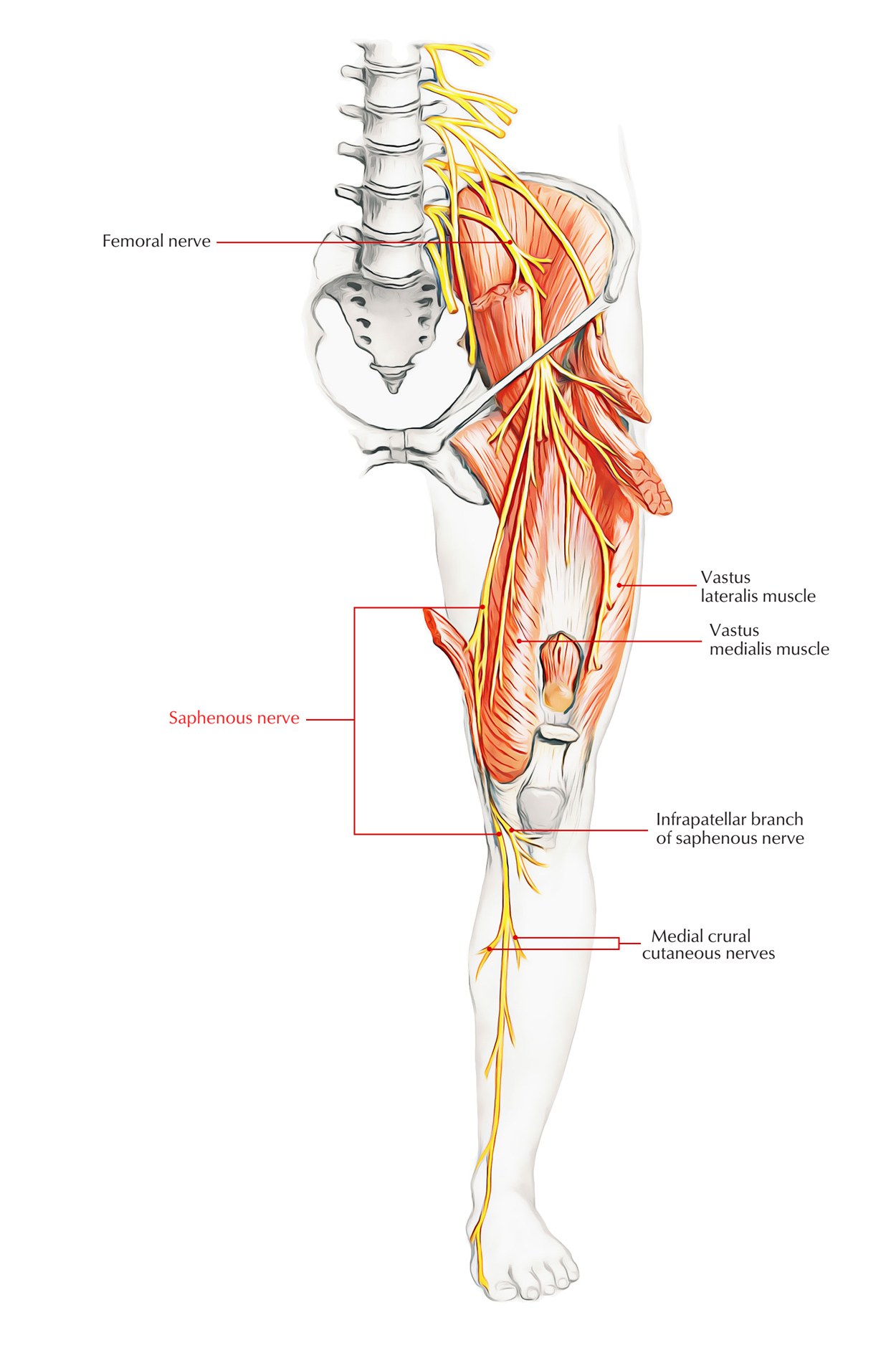
Saphenous Nerve Earth's Lab
However, The Exact Course And Location Of The Distal Saphenous Nerve Is Not Well Described In The Literature.
Shortly After The Femoral Nerve Passes Under The Inguinal Ligament, It Splits Into Anterior And Posterior Divisions By The Passage Of The Lateral Femoral Circumflex Artery (A Branch Of The Profunda Femoris Artery
Anesthesia Of The Medial Lower Leg Can Be Achieved By Blocking Either The Femoral Or Saphenous Nerves.
This Nerve Plays A Key Role In Providing Sensation To The Anteromedial, Medial, And Posteromedial Regions Of The.
Related Post: