
Commas With Of Course
Commas With Of Course - It's not a big deal. We use of course to refer to things that are obvious or already known to the speaker and listener, or to everybody: Um ever since the beginning, you know, country music has damn show open their arms and show me nothing but love ever since the beginning and then 2003 when i did the. Of course is a smooth phrase when you use it this way, but it's only correct when you give it a comma. Whether crafting vivid sentences or experimenting with style, this course will show you that grammar is more than just a set of rules; It can be any equivalent, from “indubitably” to “darn tootin'”, from “you bet” to. When using ” of course ” in a sentence, it is important to remember that it should be followed by a comma if it is at the beginning of a sentence. It can be used to affirm a statement, respond to a request, or indicate that something is expected or obvious. We use of course to mean ‘yes’ when we are giving permission to someone to do something: You should place a comma after “of course” in every case unless it’s at the end of a sentence (where a period is better). Of course is a smooth phrase when you use it this way, but it's only correct when you give it a comma. It's not a big deal. Should the be a comma after of course? By acting as subtle dividers, commas. Instant free downloadupdate to latest version!take a look our apps ! Commas serve as a crucial tool for organizing items within a list, offering clarity and separating distinct elements to enhance readability. You should place a comma after “of course” in every case unless it’s at the end of a sentence (where a period is better). It’s a powerful tool for expression and creativity. We use of course to refer to things that are obvious or already known to the speaker and listener, or to everybody: Enhance your writing skills with clear, friendly instructions. “of course” is a versatile phrase used in various contexts. Nor does the phrase have to be “of course”; For example, ” of course, i will help you with. A tropical climate is, of course, very humid, so we sweated all the time. A comma should be used to separate three or more items listed in a sentence. For example, ” of course, i will help you with. We use of course to mean ‘yes’ when we are giving permission to someone to do something: It can be used to affirm a statement, respond to a request, or indicate that something is expected or obvious. We never got to eat the cake, of. It can be any equivalent,. It's not a big deal. Instant free downloadupdate to latest version!take a look our apps ! By acting as subtle dividers, commas. It’s a powerful tool for expression and creativity. Nor does the phrase have to be “of course”; It can be any equivalent, from “indubitably” to “darn tootin'”, from “you bet” to. For example, ” of course, i will help you with. A tropical climate is, of course, very humid, so we sweated all the time. It’s a powerful tool for expression and creativity. Yes, of course we can fix it! in op's sentence, i think a comma. “of course” is a versatile phrase used in various contexts. If the answer could simply be given as “of course,” don’t use a comma. It's not a big deal. We use of course to refer to things that are obvious or already known to the speaker and listener, or to everybody: It could be perfectly correct to answer considering the. We use of course to refer to things that are obvious or already known to the speaker and listener, or to everybody: Can i borrow your newspaper for a minute? Commas are placed after each item in the list. By acting as subtle dividers, commas. Of course, even if the problem is serious, we can still fix it. person 2: The presence or absence of a comma after “of course” can make a difference, and any source (including your grammar checker) that suggests “of course” always needs to be followed by a. Of course is a smooth phrase when you use it this way, but it's only correct when you give it a comma. It can be used to affirm. These listed items can be single words or whole phrases. We lose beloved public figures every year, of course. Nor does the phrase have to be “of course”; We use of course to mean ‘yes’ when we are giving permission to someone to do something: You should place a comma after “of course” in every case unless it’s at the. Commas serve as a crucial tool for organizing items within a list, offering clarity and separating distinct elements to enhance readability. For example, ” of course, i will help you with. We use of course to mean ‘yes’ when we are giving permission to someone to do something: Not as a matter of course. By acting as subtle dividers, commas. Of course, even if the problem is serious, we can still fix it. person 2: You should place a comma after “of course” in every case unless it’s at the end of a sentence (where a period is better). Should the be a comma after of course? By acting as subtle dividers, commas. Of course is a smooth phrase when. A tropical climate is, of course, very humid, so we sweated all the time. Of course is a smooth phrase when you use it this way, but it's only correct when you give it a comma. Had i written something like evidently, it's very easy to., i'd feel like there should be a comma in there. We use of course to mean ‘yes’ when we are giving permission to someone to do something: If the answer could simply be given as “of course,” don’t use a comma. It could be perfectly correct to answer considering the matter in hindsight, those thoughts of mine were of course ridiculous. here, 'course' is emphasized in speech, which leads to no pauses,. Should the be a comma after of course? It can be any equivalent, from “indubitably” to “darn tootin'”, from “you bet” to. We never got to eat the cake, of. Nor does the phrase have to be “of course”; “of course” is either an introductory clause to a sentence or a parenthetical element, both of which require commas after “of course.” if introducing a clause with “of course,” you will only need a. Yes, of course we can fix it! in op's sentence, i think a comma is most appropriate. Instant free downloadupdate to latest version!take a look our apps ! For example, ” of course, i will help you with. When using ” of course ” in a sentence, it is important to remember that it should be followed by a comma if it is at the beginning of a sentence. Whether crafting vivid sentences or experimenting with style, this course will show you that grammar is more than just a set of rules;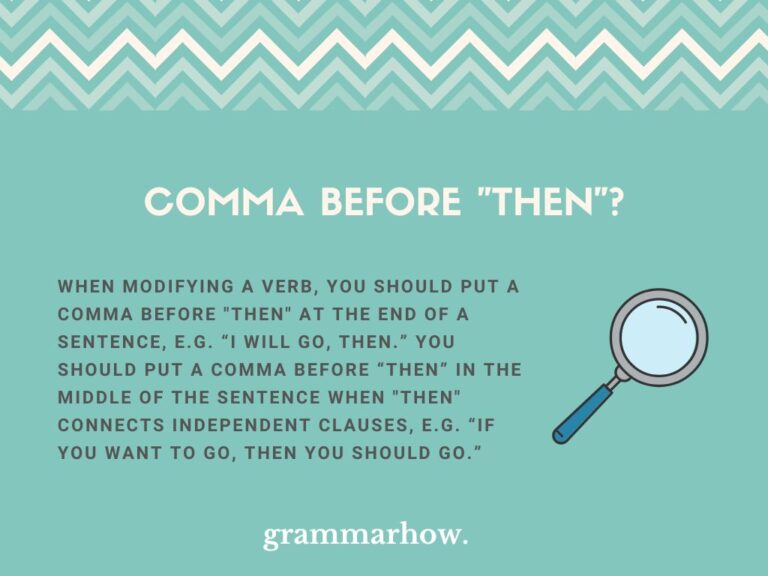
Using a Comma Before Then Essential Examples Explained
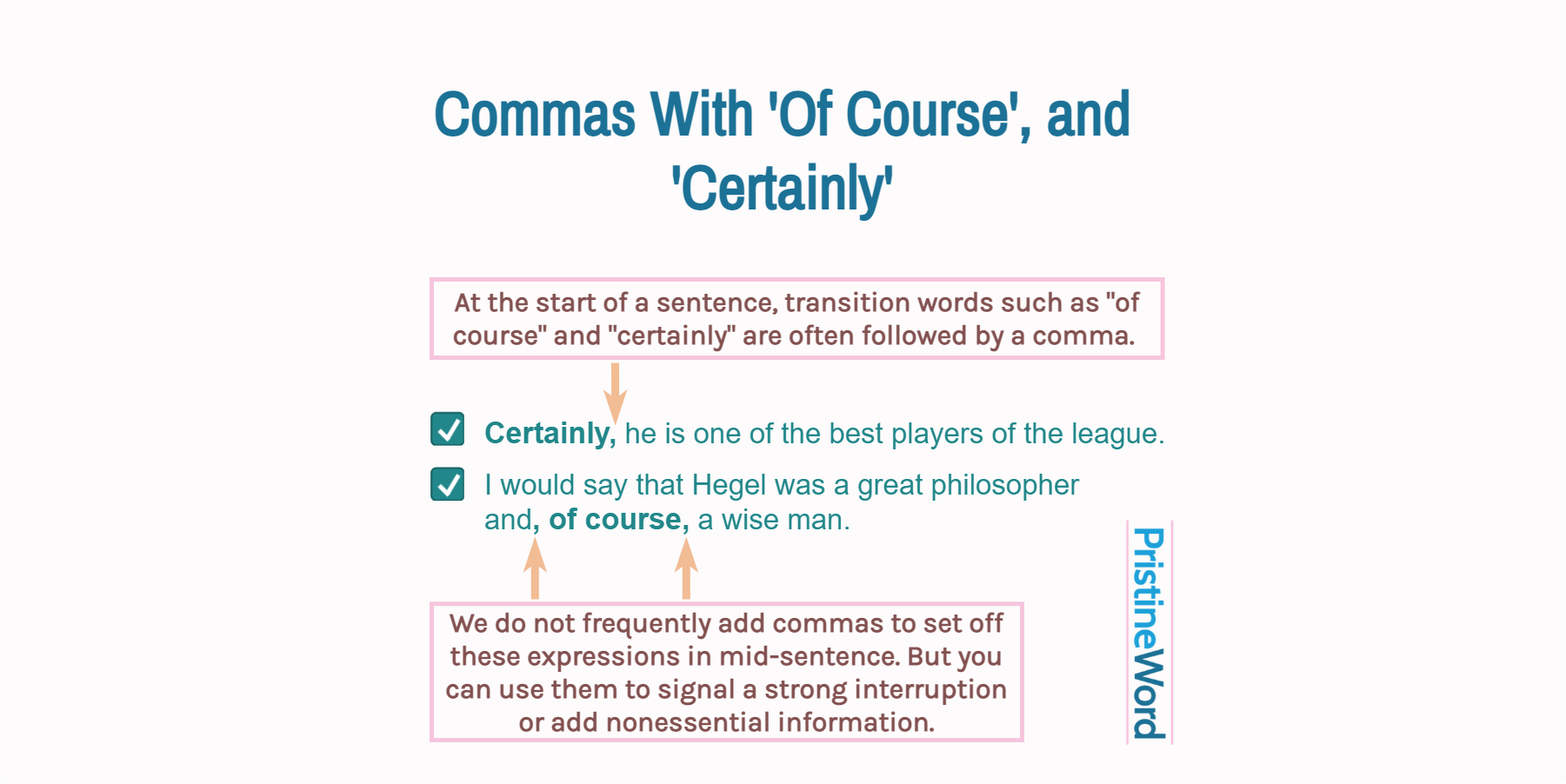
Commas With 'Of course' and 'Certainly'

"Of Course" Easy Comma Guide + Examples (All Variations)
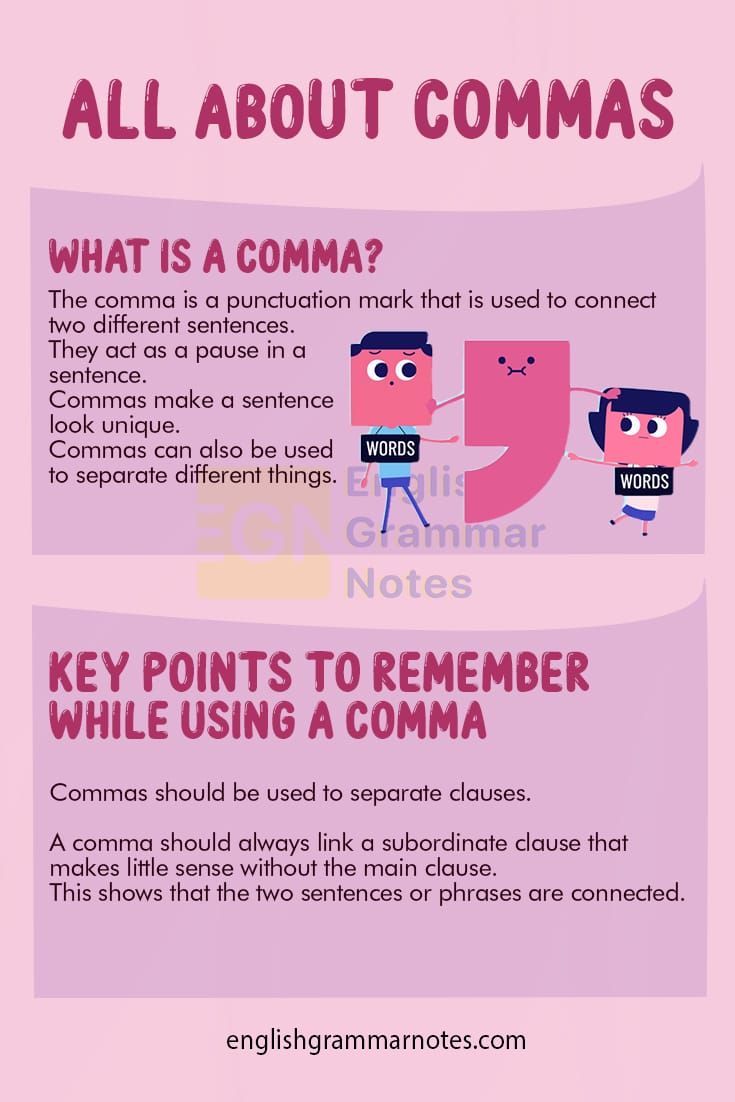
Comma All About Commas In The English language English Grammar Notes
How to Use Commas The 7 Ways To Use A Comma

An Easy Guide to Using the Comma Right Every Time English Study Online

Comma Anchor Chart
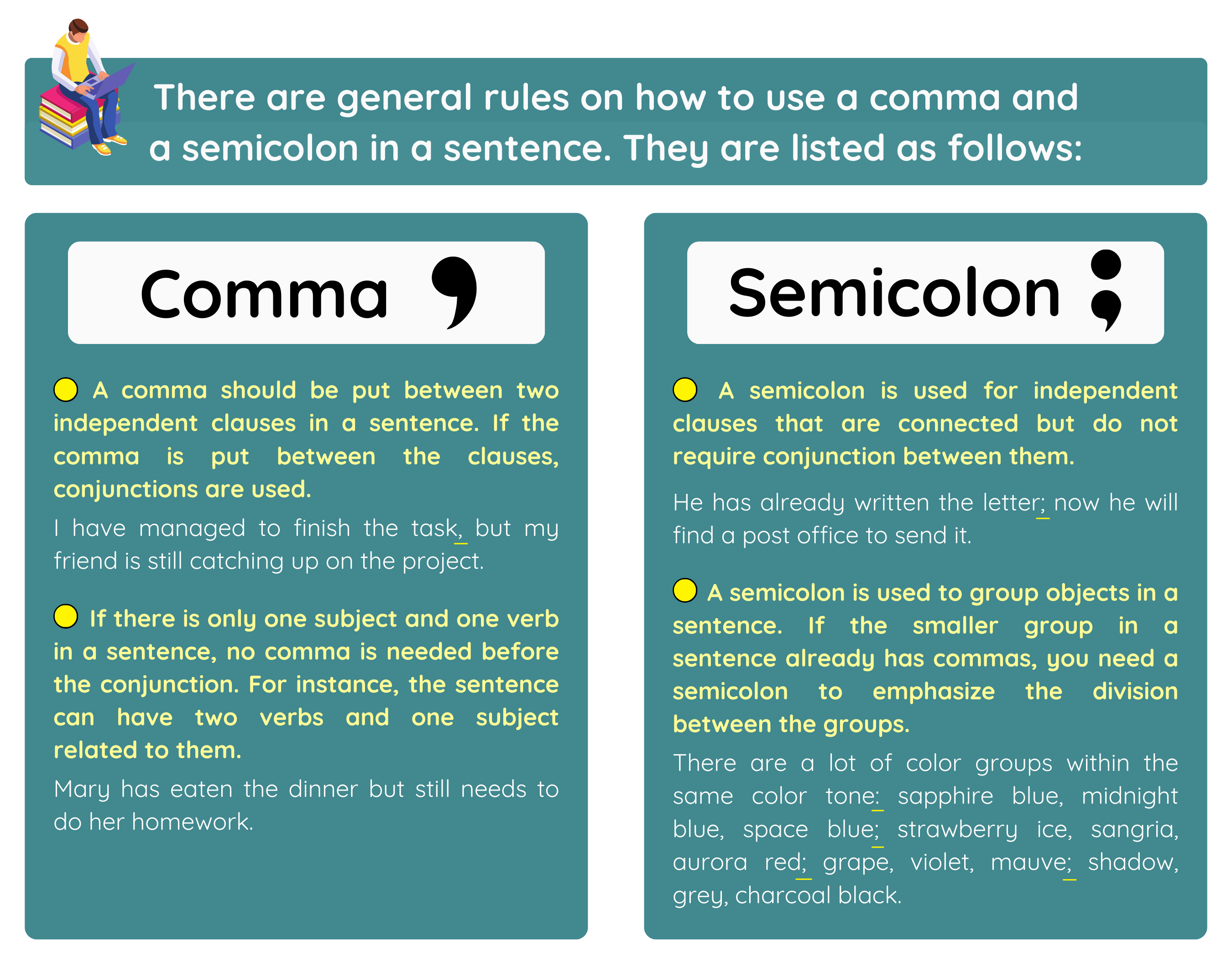
Use of Commas and Semicolons in Academic Texts Basic Rules
Is There a Comma After "Of Course"? English Recap

How to use commas
The Presence Or Absence Of A Comma After “Of Course” Can Make A Difference, And Any Source (Including Your Grammar Checker) That Suggests “Of Course” Always Needs To Be Followed By A.
Master The Nuances Of 'Of Course' With Our Easy Comma Guide + Examples (All Variations).
It's Not A Big Deal.
“Of Course” Is A Versatile Phrase Used In Various Contexts.
Related Post: