
Cee Course Map
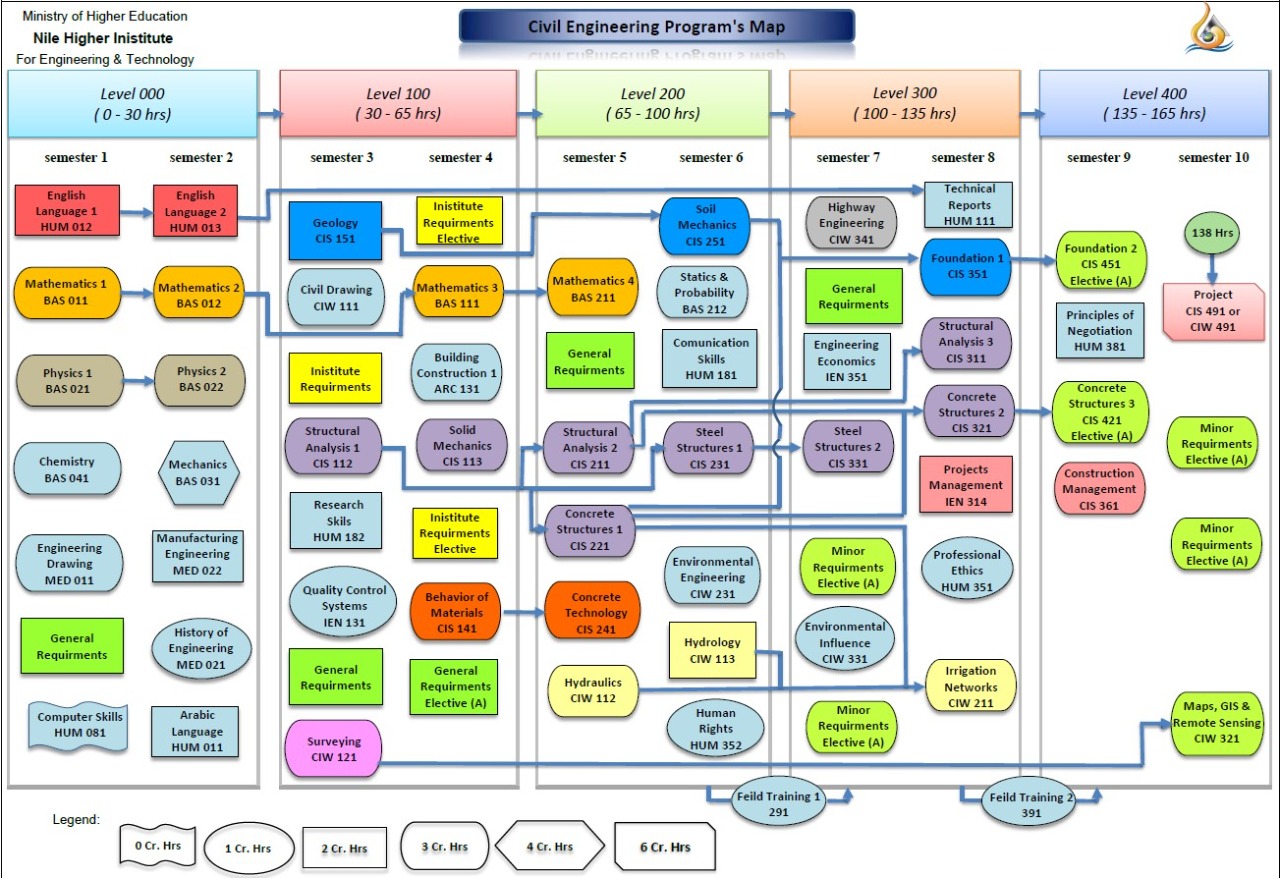
Cee Course Map - The course also develops competencies in critical. This flowchart is a suggested academic map; Cee 300 will satisfy a civil engineering core course requirement and the campus general. One of the sbs courses must be an introductory economics course (econ 102 or econ 103). Technical courses totaling 34 hours, selected from dept approved list, five courses (min 15 hours) are core courses and six courses (min 18 hours) are advanced technical electives. Civil and environmental engineers apply basic principles of science, supported by mathematical and computational tools, to address the biggest challenges facing society: One of the sbs courses must be an introductory economics course (econ 102 or econ 103). 4th floor grainger library — east wing. Civil engineering the major map illustrates one path to completing your major, based on faculty members’ advice on. This document provides general direction. One of the sbs courses must be an introductory economics course (econ 102 or econ 103). Students should use this curriculum map as a guide to have a more informed discussion with the departmental academic advisor when selecting courses. 4th floor grainger library — east wing. Cee 300 will satisfy a civil engineering core course requirement and the campus general. Students not taking courses as. One of the sbs courses must be an introductory economics course (econ 102 or econ 103). Civil engineering the major map illustrates one path to completing your major, based on faculty members’ advice on. Civil engineering the major map illustrates one path to completing your major, based on faculty members’ advice on. Traditional program with primary and secondary fields requires five core. Civil and environmental engineers apply basic principles of science, supported by mathematical and computational tools, to address the biggest challenges facing society: This document provides general direction. One of the sbs courses must be an introductory economics course (econ 102 or econ 103). One of the sbs courses must be an introductory economics course (econ 102 or econ 103). Find detailed information that will prepare you to register for classes and map out your coursework for the academic year. Courses year by. Civil engineering the major map illustrates one path to completing your major, based on faculty members’ advice on. Find detailed information that will prepare you to register for classes and map out your coursework for the academic year. Cee 300 or cee 340 will satisfy a civil engineering core course requirement and the campus. Our department offers a highly ranked,. Civil engineering the major map illustrates one path to completing your major, based on faculty members’ advice on. Students not taking courses as. Traditional program with primary and secondary fields requires five core. This flowchart is a suggested academic map; The major map illustrates one path to completing your major, based on faculty members’ advice on course sequence and course. Courses year by year freshman (first) year 33+ 3 non credit courses sophomore (second) year 40 junior (third) year 41 senior (fourth) year 30 total credits 149 notes 1. Civil and environmental engineers apply basic principles of science, supported by mathematical and computational tools, to address the biggest challenges facing society: One of the sbs courses must be an introductory. Courses year by year freshman (first) year 33+ 3 non credit courses sophomore (second) year 40 junior (third) year 41 senior (fourth) year 30 total credits 149 notes 1. Students not taking courses as. Civil engineering the major map illustrates one path to completing your major, based on faculty members’ advice on. This flowchart is a suggested academic map; One. Find detailed information that will prepare you to register for classes and map out your coursework for the academic year. This document provides general direction. One of the sbs courses must be an introductory economics course (econ 102 or econ 103). Students should use this curriculum map as a guide to have a more informed discussion with the departmental academic. Civil engineering the major map illustrates one path to completing your major, based on faculty members’ advice on. Cee 300 or cee 340 will satisfy a civil engineering core course requirement and the campus. 4th floor grainger library — east wing. Technical courses totaling 34 hours, selected from dept approved list, five courses (min 15 hours) are core courses and. Students not taking courses as. This flowchart is a suggested academic map; This document provides general direction. Find detailed information that will prepare you to register for classes and map out your coursework for the academic year. Civil and environmental engineers apply basic principles of science, supported by mathematical and computational tools, to address the biggest challenges facing society: One of the sbs courses must be an introductory economics course (econ 102 or econ 103). Cee 300 will satisfy a civil engineering core course requirement and the campus general. Traditional program with primary and secondary fields requires five core. Cee 300 or cee 340 will satisfy a civil engineering core course requirement and the campus. Civil engineering the major. Technical courses totaling 34 hours, selected from dept approved list, five courses (min 15 hours) are core courses and six courses (min 18 hours) are advanced technical electives. 4th floor grainger library — east wing. Our department offers a highly ranked, comprehensive undergraduate curriculum, which requires 128 hours of course work leading to a bachelor of science degree in civil. Cee 300 will satisfy a civil engineering core course requirement and the campus general. This document provides general direction. Find detailed information that will prepare you to register for classes and map out your coursework for the academic year. Core courses select from cee 300, cee 310, cee 320, cee 330, cee 340 cee 350, cee 360, and cee 380. 4th floor grainger library — east wing. One of the sbs courses must be an introductory economics course (econ 102 or econ 103). The course also develops competencies in critical. Courses year by year freshman (first) year 33+ 3 non credit courses sophomore (second) year 40 junior (third) year 41 senior (fourth) year 30 total credits 149 notes 1. Civil and environmental engineers apply basic principles of science, supported by mathematical and computational tools, to address the biggest challenges facing society: This flowchart is a suggested academic map; Our department offers a highly ranked, comprehensive undergraduate curriculum, which requires 128 hours of course work leading to a bachelor of science degree in civil engineering or. Technical courses totaling 34 hours, selected from dept approved list, five courses (min 15 hours) are core courses and six courses (min 18 hours) are advanced technical electives. Students not taking courses as. Traditional program with primary and secondary fields requires five core. Civil engineering the major map illustrates one path to completing your major, based on faculty members’ advice on. Cee 300 or cee 340 will satisfy a civil engineering core course requirement and the campus.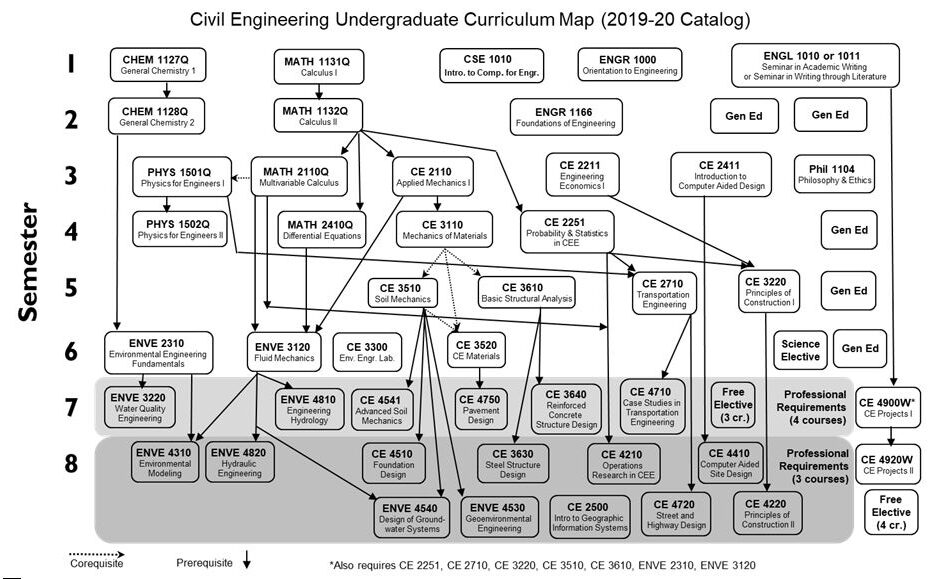
Advising Civil and Environmental Engineering

Civil Engineering Curriculum Map Civil, Environmental and Geodetic

Course Mapping for Spring 2019 onward

Civil Engineering, B.S. Civil and Environmental Engineering
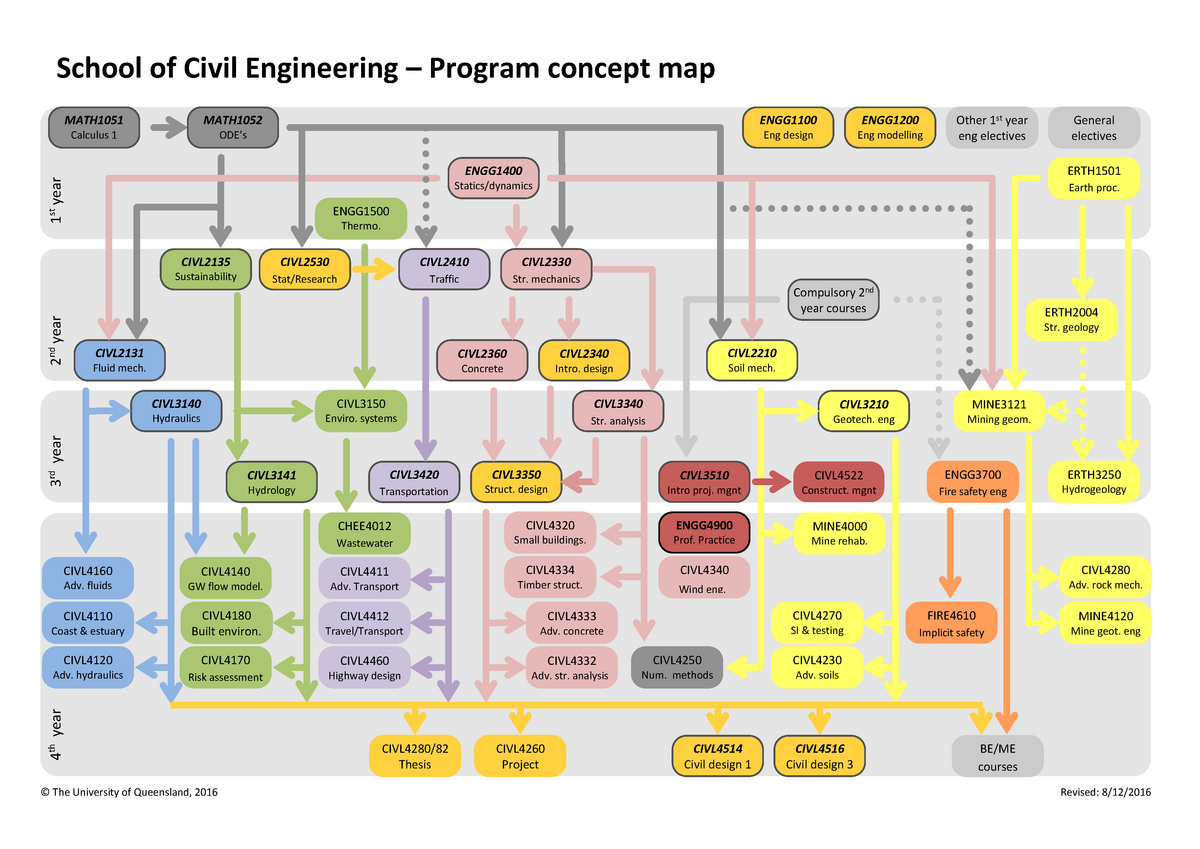
Concept map Civil Engineering 2017 School of Civil Engineering
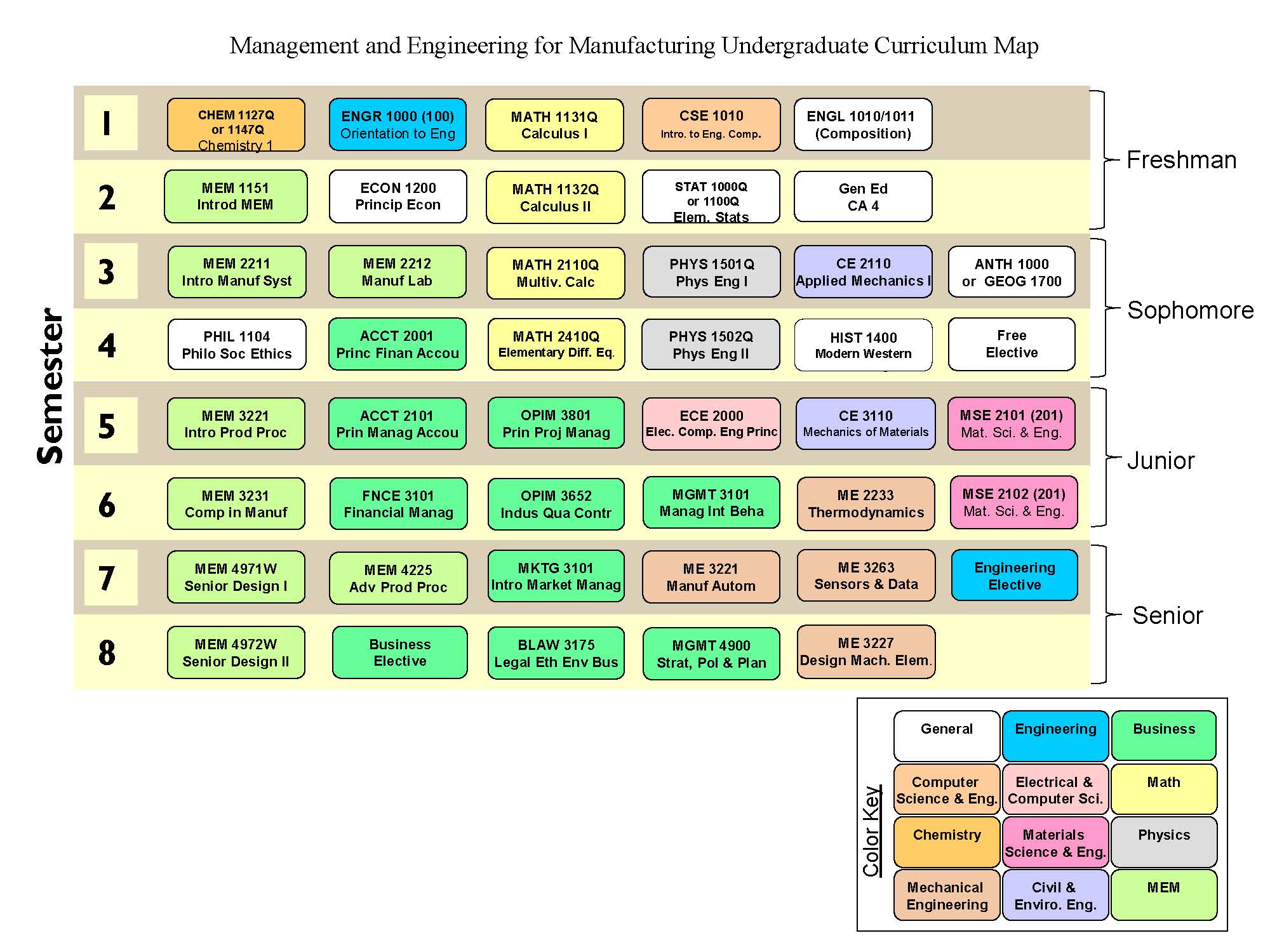
Undergraduate Programs Management & Engineering for Manufacturing
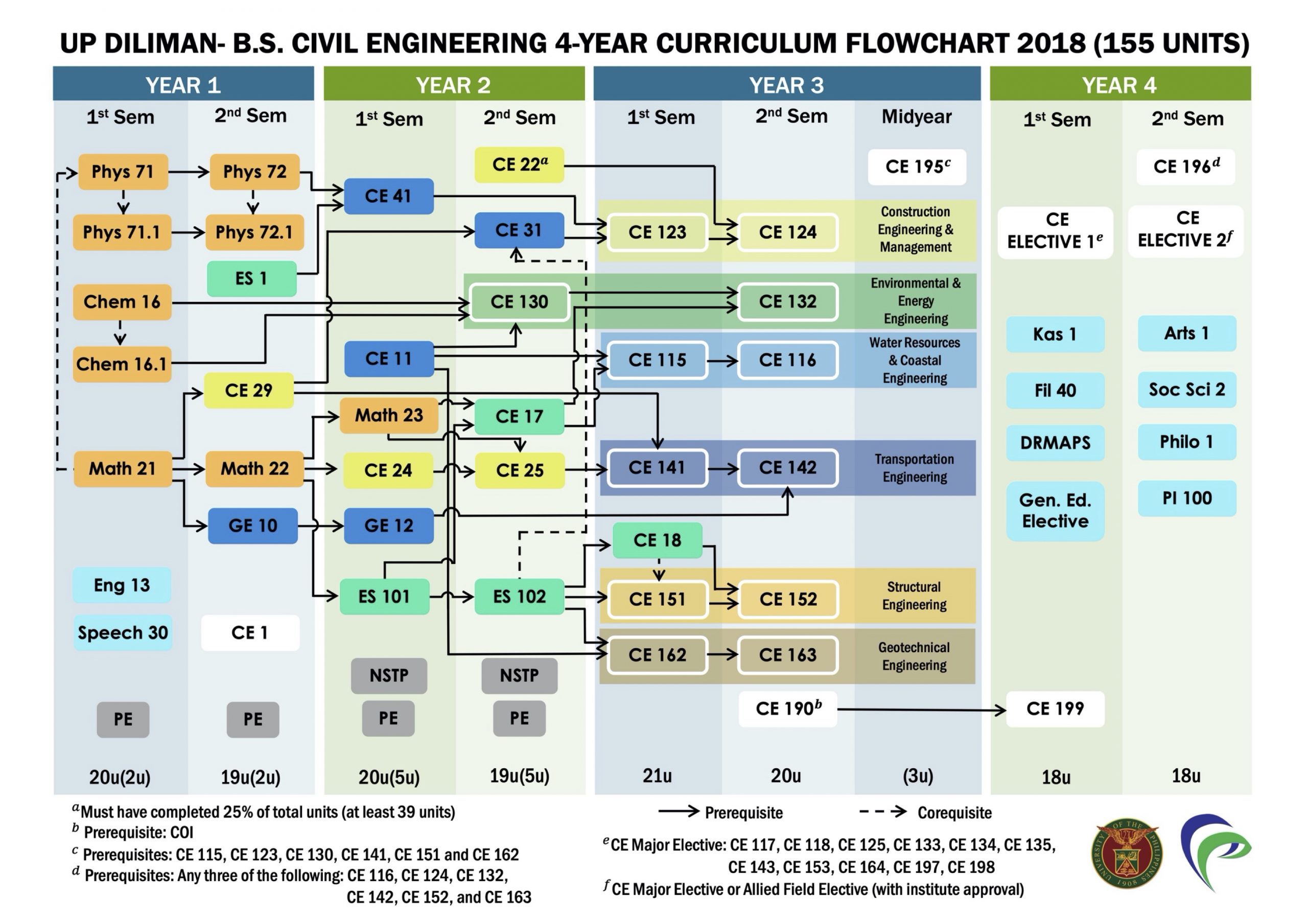
BSCE Degree Program UP Institute of Civil Engineering

Plan and Map in Basic Civil Engineering YouTube
CEE Europe Maps with Administrative Territories (PPT editable)
Civil Engineering
Students Should Use This Curriculum Map As A Guide To Have A More Informed Discussion With The Departmental Academic Advisor When Selecting Courses.
Civil Engineering The Major Map Illustrates One Path To Completing Your Major, Based On Faculty Members’ Advice On.
One Of The Sbs Courses Must Be An Introductory Economics Course (Econ 102 Or Econ 103).
The Major Map Illustrates One Path To Completing Your Major, Based On Faculty Members’ Advice On Course Sequence And Course Schedule.
Related Post: